A rental inventory can cover many venues and still become inefficient if its modules, cabinets, brightness classes, and mechanical systems do not work together. Stage and event teams need enough variation for close indoor productions, larger outdoor events, flat backgrounds, and curved scenery, but every incompatible option adds training, transport, maintenance, and spare-part complexity.
Building an LED display screen rental line is therefore an exercise in controlled compatibility. Its useful breadth comes from related LED wall rental configurations assigned to distinct production needs.
Build Around a Shared Physical Platform
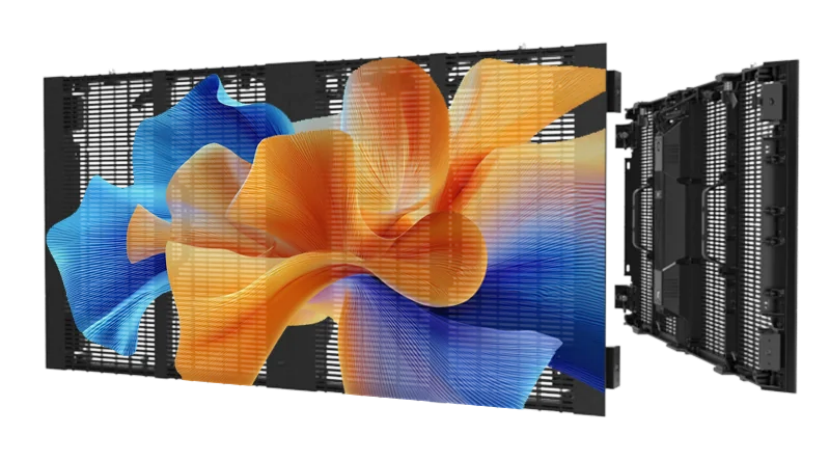
Compatibility begins at the module and cabinet level. Common dimensions simplify planning because crews can understand how units combine before arriving at a venue. Two related cabinet sizes can serve different screen proportions while preserving a familiar connection and handling logic. This is more useful than adding models that solve the same visual need but require separate operating methods.
A coherent rental product line should begin with a common physical platform, not with the largest possible model count. HDC can use its R&D and manufacturing capabilities to review cabinet compatibility, customization, and production feasibility before variants are added. This gives an LED display screen rental portfolio a controlled core while sales and service teams carry the approved configuration into delivery and support.
Shared dimensions also simplify the mental model used by the crew. Connection points, module proportions, and cabinet relationships become familiar across more than one configuration. Training can focus on the differences that affect a specific build instead of starting again for each product. Before equipment leaves storage, that familiarity already shapes packing, assignment, and crew preparation.
Create Pitch Tiers from Audience Distance
Production teams encounter front rows, camera positions, and venue depths that change from one event to another. Pixel pitch affects the detail available at a given viewing distance, so a product line benefits from a limited set of pitches that covers recognizable distance bands. Too little choice leaves gaps; too many near-identical options complicate allocation without creating a distinct application.
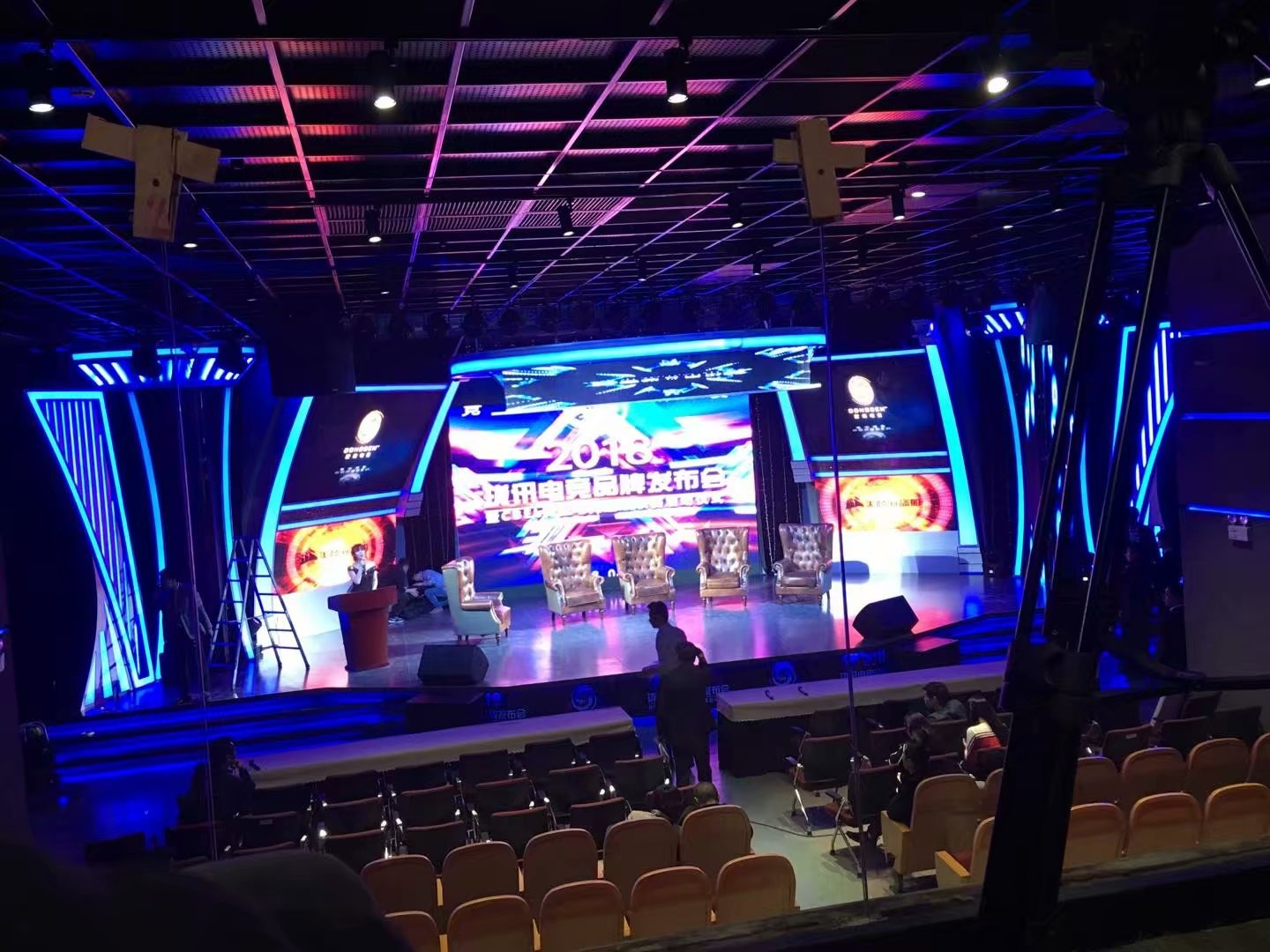
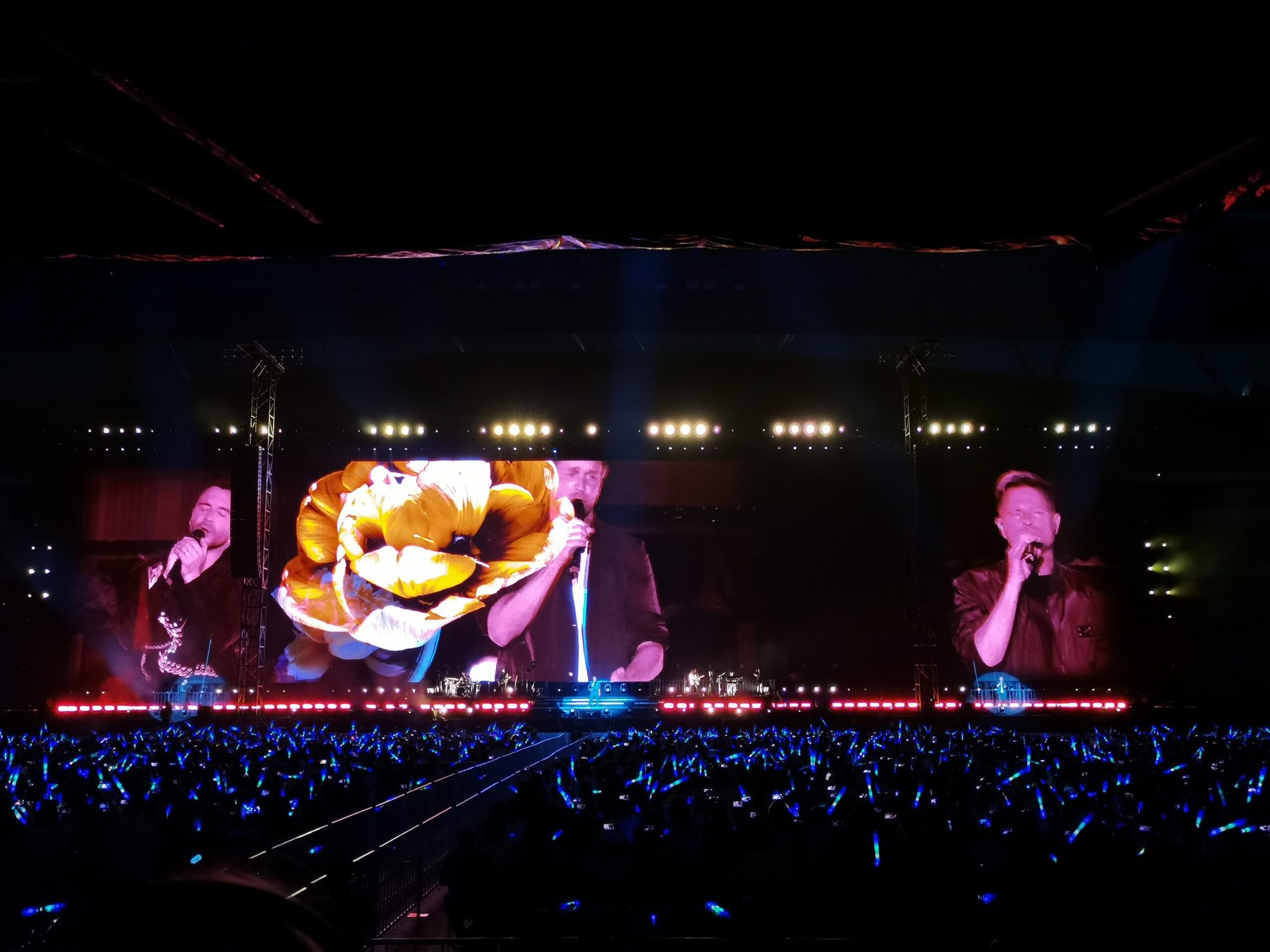
Pitch tiers should be assigned by viewing-distance bands rather than by repeating every available model. A practical LED wall rental inventory can separate close-viewing, medium-distance, and larger-venue needs. The exact HDC model can then be confirmed after the audience map and content requirement are known, keeping the range broad enough for production work without creating unnecessary overlap.
Separate Indoor and Outdoor Capability
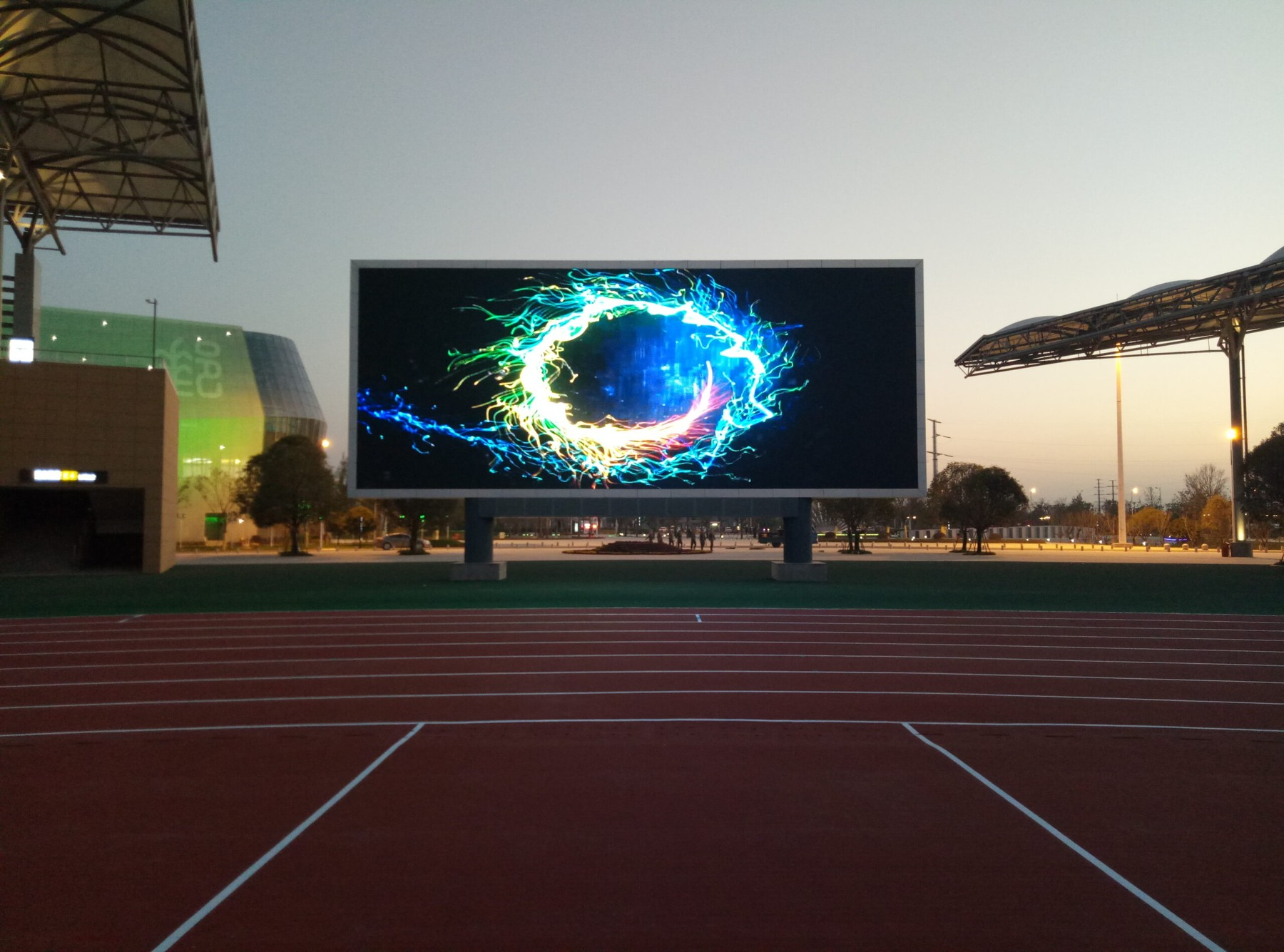
Environmental categories deserve their own allocation even when cabinet dimensions are shared. Indoor systems work under controlled light and do not face the same exposure as an open-air installation. Outdoor versions require stronger brightness and protection. Maintaining this distinction prevents a visually adequate indoor unit from being placed where its enclosure and output do not fit the venue.
Indoor and outdoor capability should remain separate inventory classes. HDC can keep cabinet handling familiar while assigning different brightness, protection, and operating requirements to each environment. Before stock is approved, teams should record which conditions are fixed by venue exposure and which can vary by model. This keeps environmental suitability ahead of superficial compatibility.
Use Cabinet Weight to Plan Crew Workflow
Inventory decisions affect labor every time equipment moves. Rather than using one broad cabinet-weight range, equipment managers should record the exact weight of each selected model and combine it with screen area, crew size, transport capacity, and build time.The larger cabinet may reduce piece count, while the smaller format may offer more handling and shaping flexibility; neither should be chosen by weight alone.
Screen dimensions, available crew, transport space, build time, and the desired geometry determine the useful mix. Recording these variables allows equipment managers to assign cabinet sizes intentionally. In an LED wall rental operation, weight is not merely a specification on a data sheet; it becomes a recurring input to staffing and setup sequence.
The mix also affects packing density and the order in which units reach the build area. A plan dominated by one format may speed some structures but limit others. Keeping both sizes within a common platform lets the production manager use the taller cabinet where coverage matters and the smaller format where handling or shape control carries more weight.
Reserve Geometry for Deliberate Production Uses
Geometry should be treated as a controlled extension of the core inventory. Curved capability is useful when a production brief genuinely requires stage wraps or shaped scenery, but every added configuration should have a defined use, training requirement, and service plan. The objective is not to maximize arc options; it is to preserve compatibility while giving crews enough flexibility for recurring production needs.
A coherent inventory can now be organized as a core platform with controlled extensions: shared modules and cabinet formats, pitch tiers for distance, separate indoor and outdoor capability, and arc settings for defined scenic needs. A LED display screen rental inventory remains coherent only while every added variant has a defined audience, environment, handling, or scenic purpose within the shared platform.