Temporary screens were once judged mainly by whether they could be assembled and removed. Commercial production now asks the same equipment to move quickly, present camera-ready content, form more than a flat rectangle, combine cabinet sizes, and work under different indoor or outdoor conditions.
The evolution of LED display screen rental technology is visible in how these functions interact. That development can be read across six linked demands in an LED wall rental platform: transport, setup, image performance, geometry, service, and venue change.
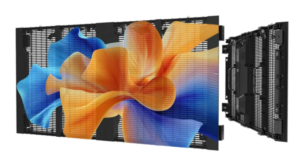
Modular Cabinets Changed the Setup Problem
Temporary construction becomes easier to plan when the screen is divided into standardized cabinets. Crews can calculate the required quantity, prepare repeated connections, and replace a section without treating the installation as one custom object. Lightweight, thin cabinets also reduce the physical and transport burden that returns with every event.
Related cabinet sizes add another level of flexibility. A square format can support detailed shaping, while a taller format can cover more vertical area per unit. Compatibility between them lets a production use both without introducing an entirely separate structure. The development is operational: modularity turns changing dimensions into a repeatable assembly task.
Standardization also improves fault isolation. If one cabinet requires attention, crews can identify and exchange a defined section instead of diagnosing an indivisible structure at the venue. For LED wall rental work, that modular boundary supports preparation, on-site response, and post-event inspection across a continuing schedule of commercial assignments.
Faster Access Shortened the Turnaround Cycle
Rental equipment spends its life moving between build, operation, dismantling, inspection, and the next build. Quick installation reduces pressure before an event, while accessible maintenance supports the short period available between assignments. Post-support service design gives technicians a defined way to reach relevant parts after the wall has been assembled.
These improvements matter because a temporary product is not finished when it works once. It has to be checked and prepared again. Here, LED display screen rental progress is visible in a shorter recurring setup and service cycle that still retains verification. Turnaround includes information as well as physical service.
The crew needs to know which unit was inspected, what work was completed, and whether the next configuration introduces different demands. Hardware that is easier to reach creates more time for that controlled review, reducing pressure to choose between maintenance and the next production deadline.
Image Performance Adapted to Cameras and Wider Audiences
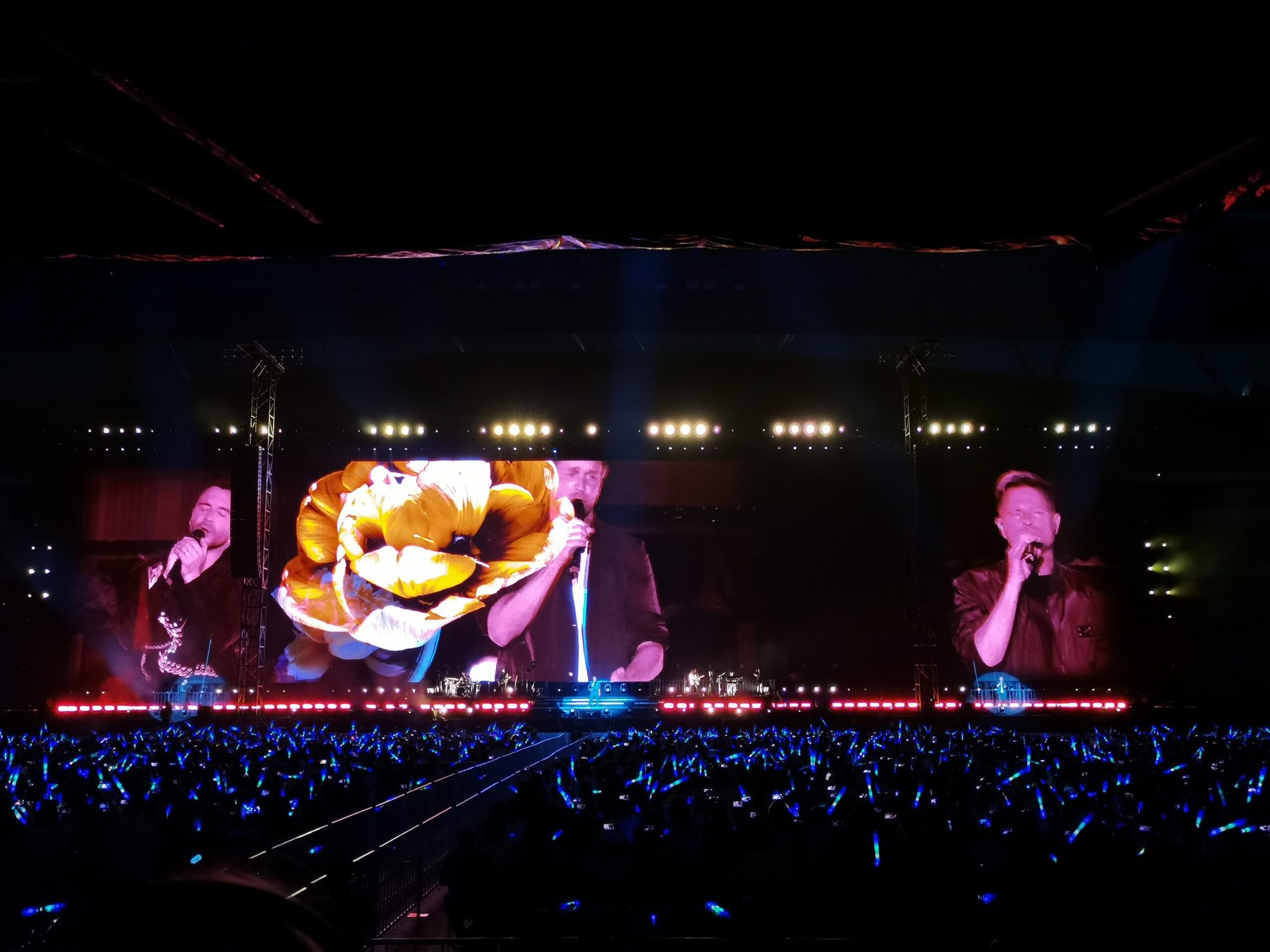
High refresh rates support moving imagery and camera-facing use, while broad viewing angles serve audiences positioned away from the central line. Pixel-pitch options allow a platform to address different viewing distances. The visual system becomes part of the rental architecture instead of a fixed characteristic that crews must accept across every venue.
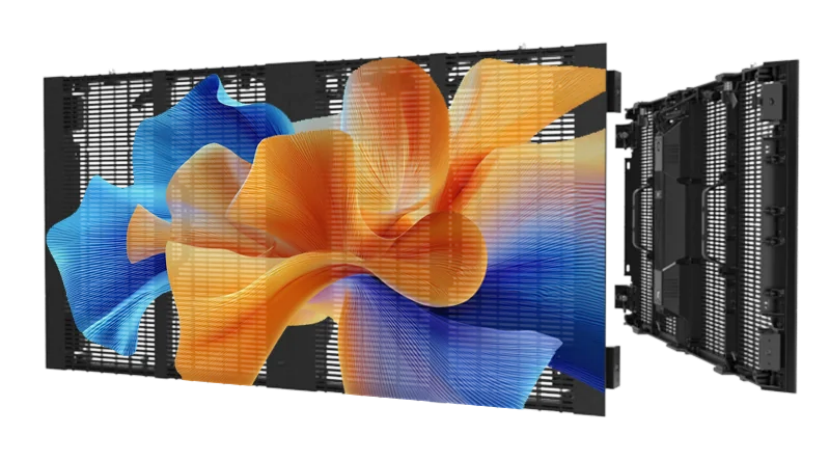
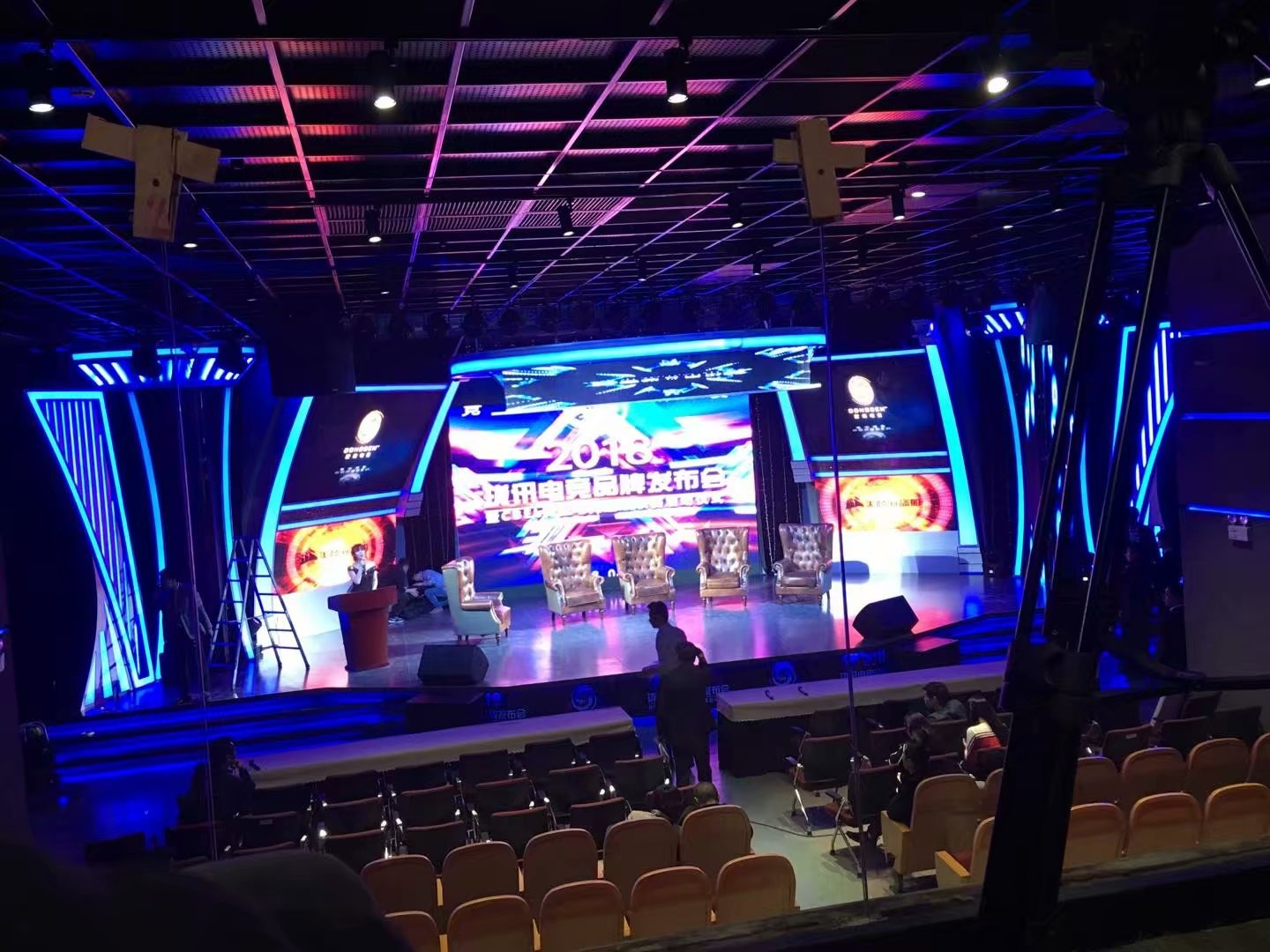
HDC’s X Series uses conventional rental LED cabinets for stage events, with indoor and outdoor variants. The ZL Series takes a different approach through a transparent, lightweight structure and refresh-rate options up to 3840 Hz. Together, they show how rental displays can serve standard stage backdrops and setups that require greater visual openness.
Mechanical Positioning Expanded Screen Geometry
A flat wall remains useful, but event design may call for inner curves, outer curves, stage wraps, or other shaped backgrounds. Repeatable positioning mechanisms make these forms possible without turning every curve into a one-off fabrication. The creative advance comes from controlled angles that crews can reproduce and integrate with the larger structure.
HDC operates as a commercial display solution manufacturer with capabilities extending beyond rental cabinets. Its R&D, manufacturing, sales, and service structure gives project teams a continuous path from application review to production and technical support.
That path is backed by production bases in Jiangsu and Anhui and OEM/ODM services covering custom design and manufacturing. For an LED display screen rental project, nonstandard requirements can therefore be reviewed for manufacturability before they reach the event site.
Indoor and Outdoor Variants Broadened Deployment
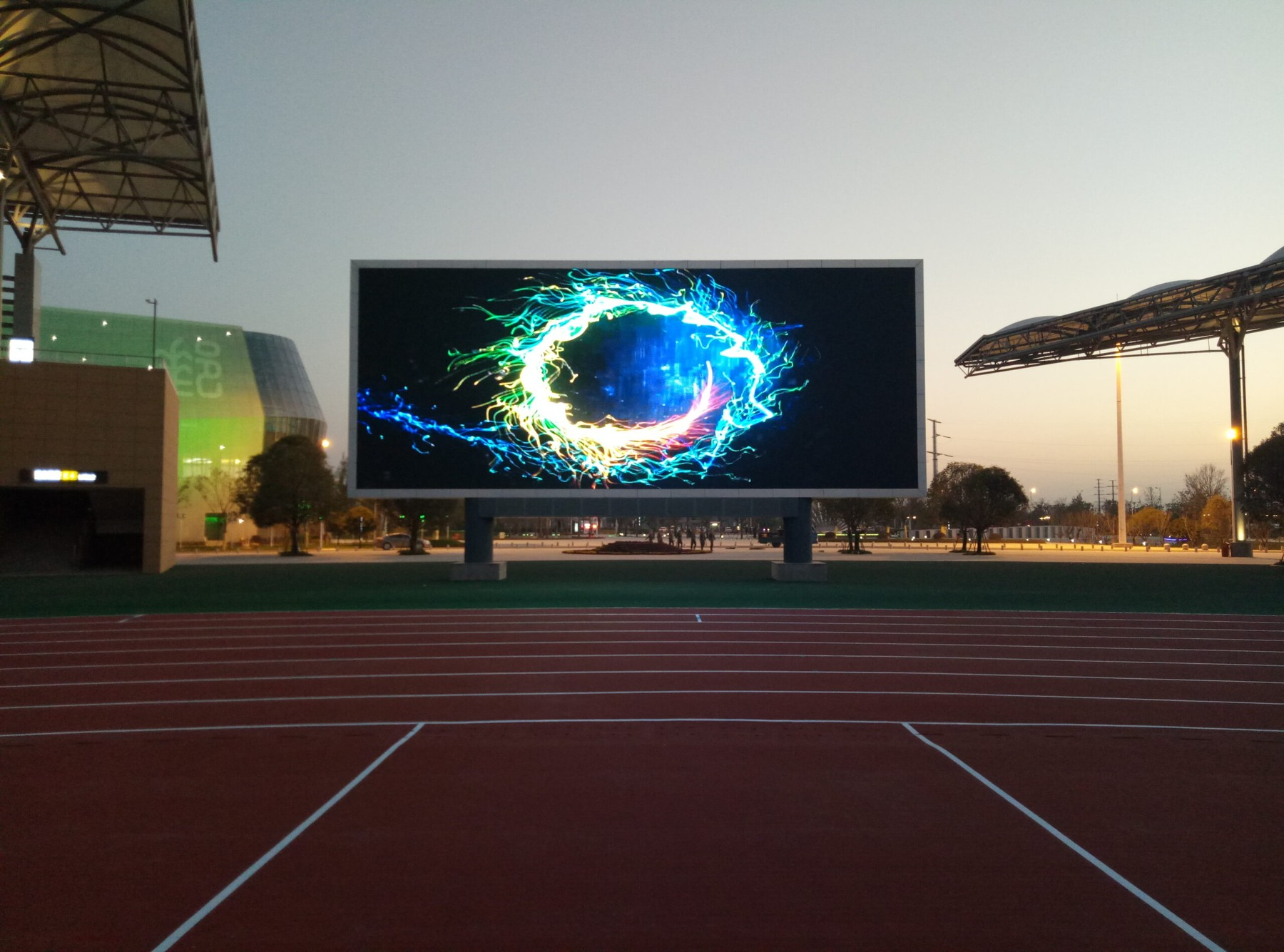
Indoor and outdoor rental projects create different demands for brightness, weather protection, and maintenance access. HDC’s X Series has configurations for both settings, while the transparent ZL Series must be checked against its own model specifications and installation requirements. Selecting a product according to actual venue conditions helps maintain visibility and serviceability across repeated events.
Technology evolution does not mean every configuration now fits every setting. It means the rental family offers defined options for different conditions while preserving a common deployment logic. Progress is measured by how readily the platform can move, assemble, present the required image, change geometry, receive service, and adapt to the next commercial venue without losing environmental fit.
The distinction between indoor and outdoor versions is itself part of the evolution. Flexibility comes from choosing within a coordinated family, not from ignoring environmental limits. Controlled variation marks the evolution of LED wall rental: familiar handling remains, while the capability assigned to each venue changes.