One overlooked number can turn into a visible or operational problem after an event system reaches the venue. Pixel pitch may not suit the nearest seats, indoor brightness may be specified for an outdoor site, or cabinet weight may exceed the handling plan.
A specification review for LED display on rent works best when it follows the audience, environment, camera, structure, and crew sequence. HDC, a commercial display solution manufacturer integrating R&D, manufacturing, sales, and service, provides a useful reference for this process. Each figure should be checked against its operating purpose before an LED wall rental quotation is accepted.
Relate Pixel Pitch to Distance and Density
Pixel pitch states the spacing between adjacent pixels. As the spacing becomes smaller, more pixels can occupy a square meter, supporting finer image detail at closer distances. A larger pitch can remain appropriate where viewers are farther away. Screen size and source content also matter, so the smallest number is not automatically the correct selection.
Pixel density expresses the same physical relationship from another direction by stating the number of pixels within an area. It helps estimate the available image detail but does not describe brightness, weather protection, or cabinet handling. A LED display on rent brief gains clarity when pitch and density are checked against the closest critical viewer rather than ranked without context.
Separate Brightness from Environmental Protection
Brightness addresses visibility under surrounding light. Indoor venues commonly operate under controllable lighting, while outdoor events may compete with daylight. Protection ratings answer a different question: whether the enclosure is designed for exposure to dust and water. High brightness does not create weather resistance, and an environmental rating does not guarantee sufficient visual output.
The venue classification therefore has to be settled before these values are compared. Time of day, screen orientation, shelter, and audience position affect the brightness requirement, while expected exposure determines whether outdoor protection is necessary. LED wall rental sourcing becomes safer when both conditions are confirmed rather than allowing one specification to stand in for the other.
The stated brightness basis also needs to be read consistently across proposals. A peak figure, a normal operating value, and a white-balance value do not describe identical conditions. Confirming what the number represents gives the comparison a stable reference. The same discipline applies to protection: the rating belongs to the specified product configuration and cannot be inferred from brightness or outdoor marketing language.
Check Motion and Viewing Coverage
Event screens often present moving material and may appear in recorded or live camera images. Refresh rate describes how frequently the image updates, while frame frequency is part of the signal environment. Viewing angle indicates the usable range away from the center line.
Motion-related figures should be checked as a group rather than copied as isolated selling points. Using HDC as the reference, a buyer should confirm that refresh rate, frame frequency, viewing angle, and pitch all belong to the exact model being quoted. The aim is to verify whether the specification fits the camera and audience conditions, not to repeat the full X Series table.
The same rule applies to pitch and density. Indoor and outdoor variants may use different values under the same P2.9 naming, so the model code and usage scenario should be checked before the number is transferred into a quotation. This keeps LED display on rent comparisons consistent across distance, motion, and venue conditions.
Calculate Cabinet Handling Before Arrival
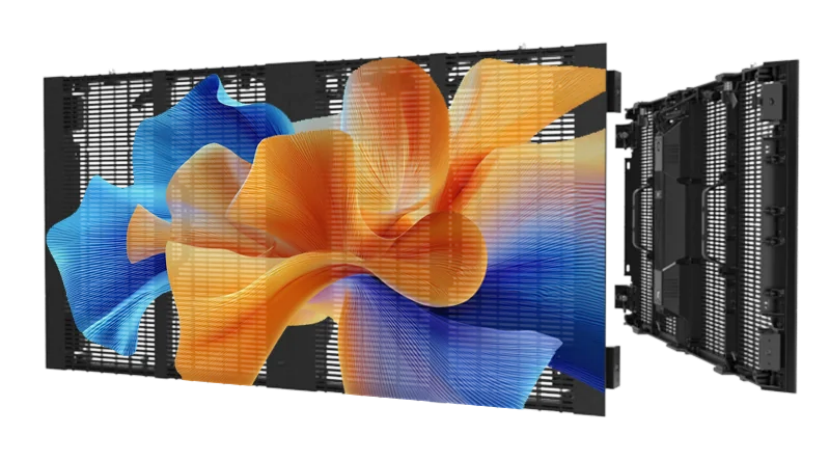
Module and cabinet dimensions determine how the screen is assembled and how the equipment fits transport and labor plans. A common module size can support related cabinet formats. Weight matters per unit because crews lift and position many cabinets, and the total handling load grows with the screen area. Taller cabinets may reduce the number of separate pieces in some structures but remain heavier individually.
The X Series supports 500 by 500 mm and 500 by 1000 mm cabinets, but cabinet weight should be checked by model. HDC lists the smaller format at 7.5±0.5, 8±0.5, or 8.5±0.5 kg and the taller format at 13.5±0.5, 12.5±0.5, or 13.5±0.5 kg. A LED wall rental team should calculate handling from the exact cabinet selected rather than from a broad weight range.
Confirm Brightness Protection and Configuration Together
HDC’s rental data should be reviewed by function: brightness for light conditions, protection rating for exposure, cabinet format for handling, and arc or maintenance features for deployment. Each item should be confirmed for the exact quoted model rather than repeated as one combined specification block. Recording the basis of each value also makes competing proposals easier to audit.
The final confirmation can now follow a direct chain: audience distance selects a pitch range, ambient light guides brightness, exposure determines protection, camera use brings refresh into focus, and crew capacity tests cabinet size and weight. Curvature and maintenance belong in that configuration before the equipment reaches the venue. Setup, signal integration, and operation are the final tests of any LED display on rent specification.