Sports broadcasts and public events place spectators, cameras, production crews, and weather around the same visual system. Spectators need a usable view from varied positions, cameras need stable moving imagery, crews work within fixed setup windows, and outdoor events add brightness and protection demands.
Application planning must hold these requirements together instead of optimizing the screen for only one group. A LED rental screen succeeds in this setting when LED wall rental equipment is configured for the audience, capture environment, operating site, and event workflow at the same time.
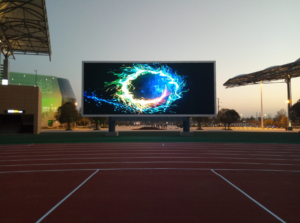
Spectator Positions Define the Viewing Envelope
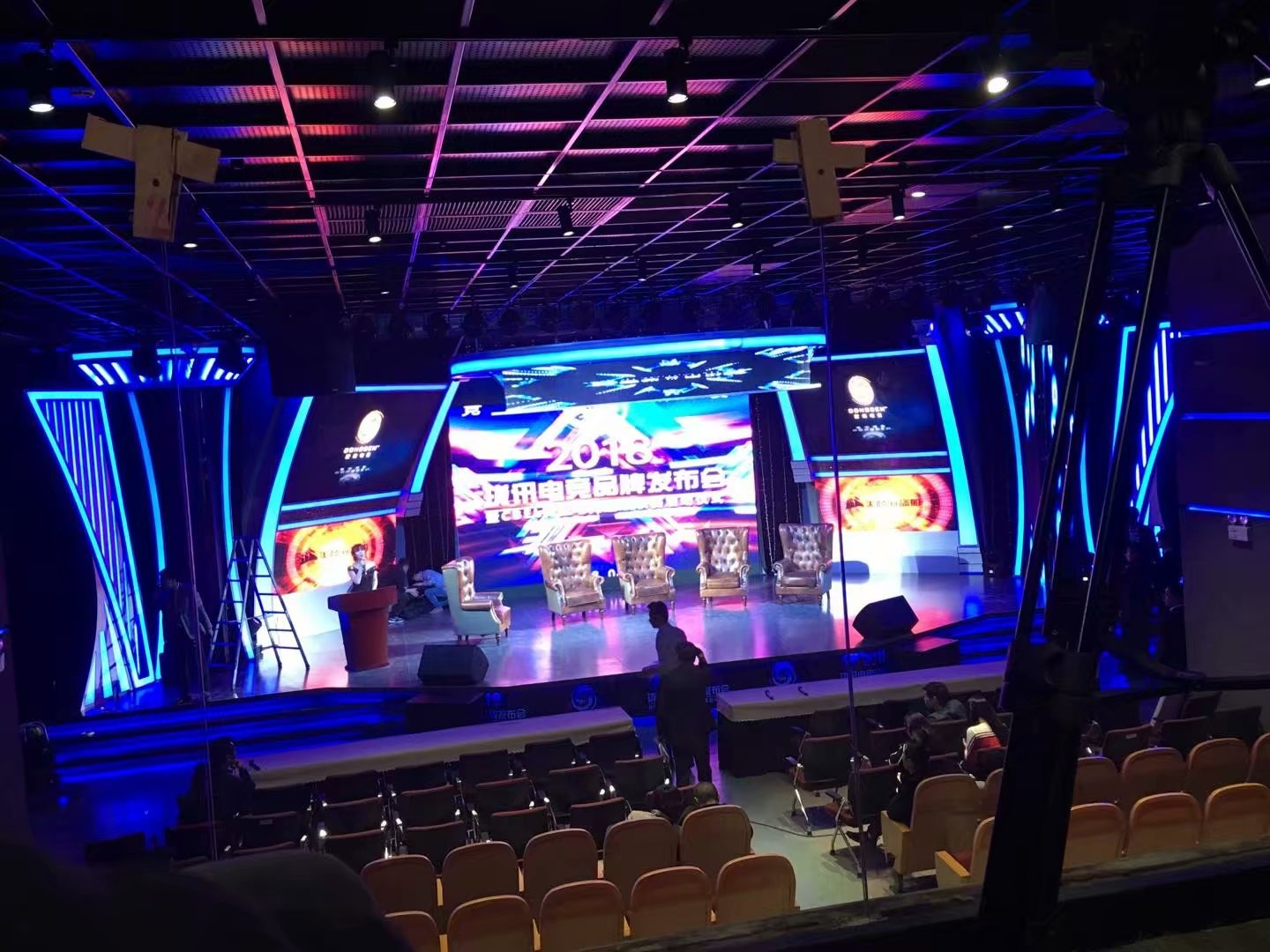
Venue audiences rarely sit directly in front of one central image. People may watch from side seating, standing zones, or distant public areas. Viewing angle describes the range across which the image remains usable, while pixel pitch and screen dimensions influence the detail visible at different distances. The viewing envelope therefore includes both position and range.
The audience map should be defined before the product table is opened. HDC’s ZL Series can then be considered against the nearest seats, side-view positions, screen dimensions, and content detail.This keeps an LED rental screen specification tied to actual spectator conditions rather than repeating the same X Series pitch and viewing-angle data used in earlier articles.
Screen placement adds height and orientation to that map. A wide horizontal surface, a raised stage screen, and a side-facing information display distribute sightlines differently even within the same venue. Plotting the important audience zones before selecting the configuration keeps the nominal viewing angle connected to actual seats and standing areas.
Broadcast Cameras Add an Image Timing Requirement
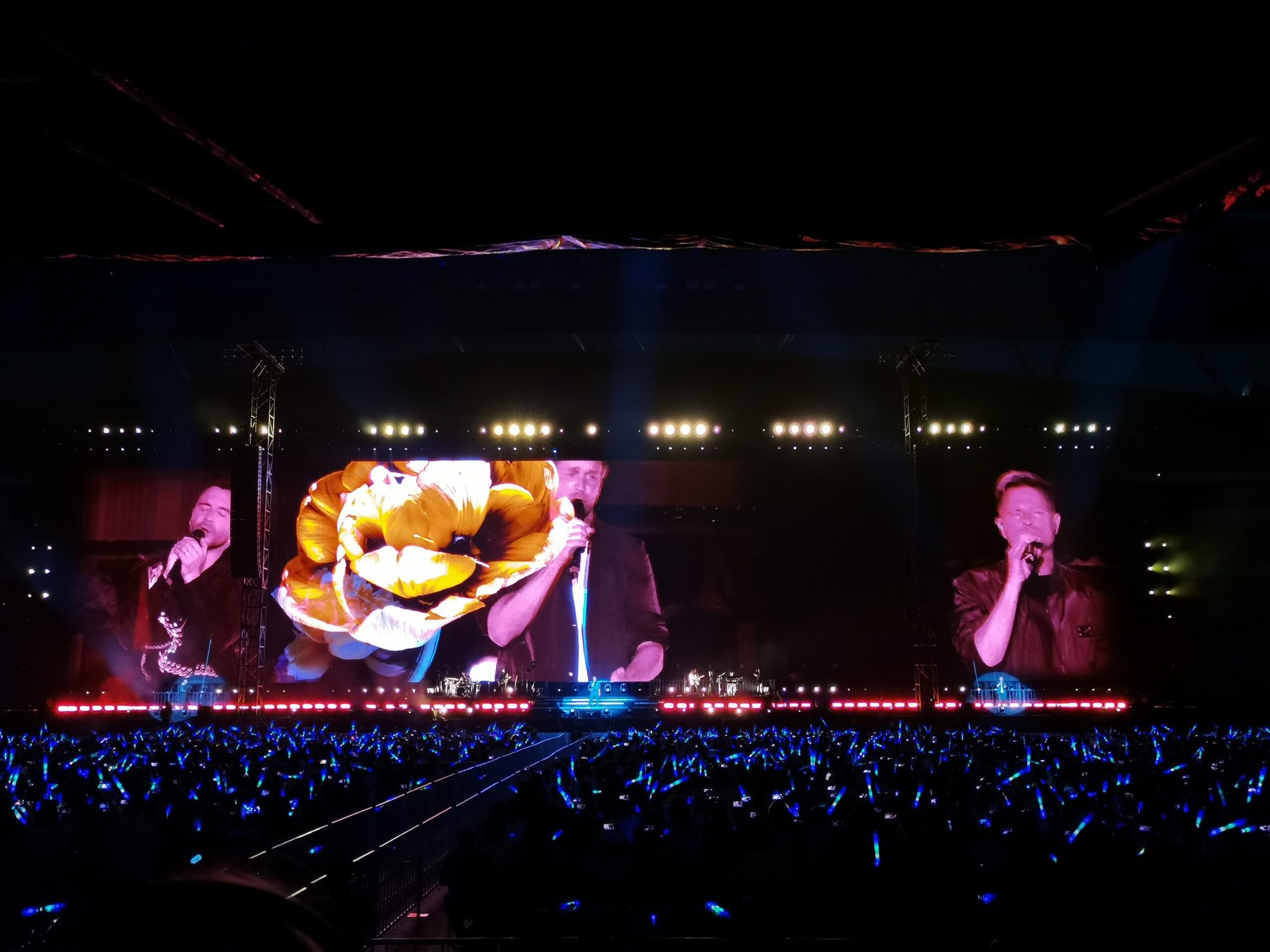
Human vision and camera capture do not evaluate a display in exactly the same way. Moving content, camera settings, and image updating interact during recording or live production. During recording, the timing relationship among display updates, the incoming signal, and camera settings may become visible even when spectators see an acceptable image.
For camera-facing work, HDC’s rental products should be tested as the final configured system rather than judged from one refresh figure. LED wall rental preparation needs the selected model, signal chain, content, and camera settings to be rehearsed together, because different shots and motion patterns can expose issues that a static specification sheet cannot predict.
Camera positions may change during a broadcast, and different shots can place the display at different sizes within the frame. Content with fast movement or fine patterns may reveal behavior that a static test image does not. Rehearsal gives the production team a chance to evaluate the configured system under the same capture conditions expected during the event.
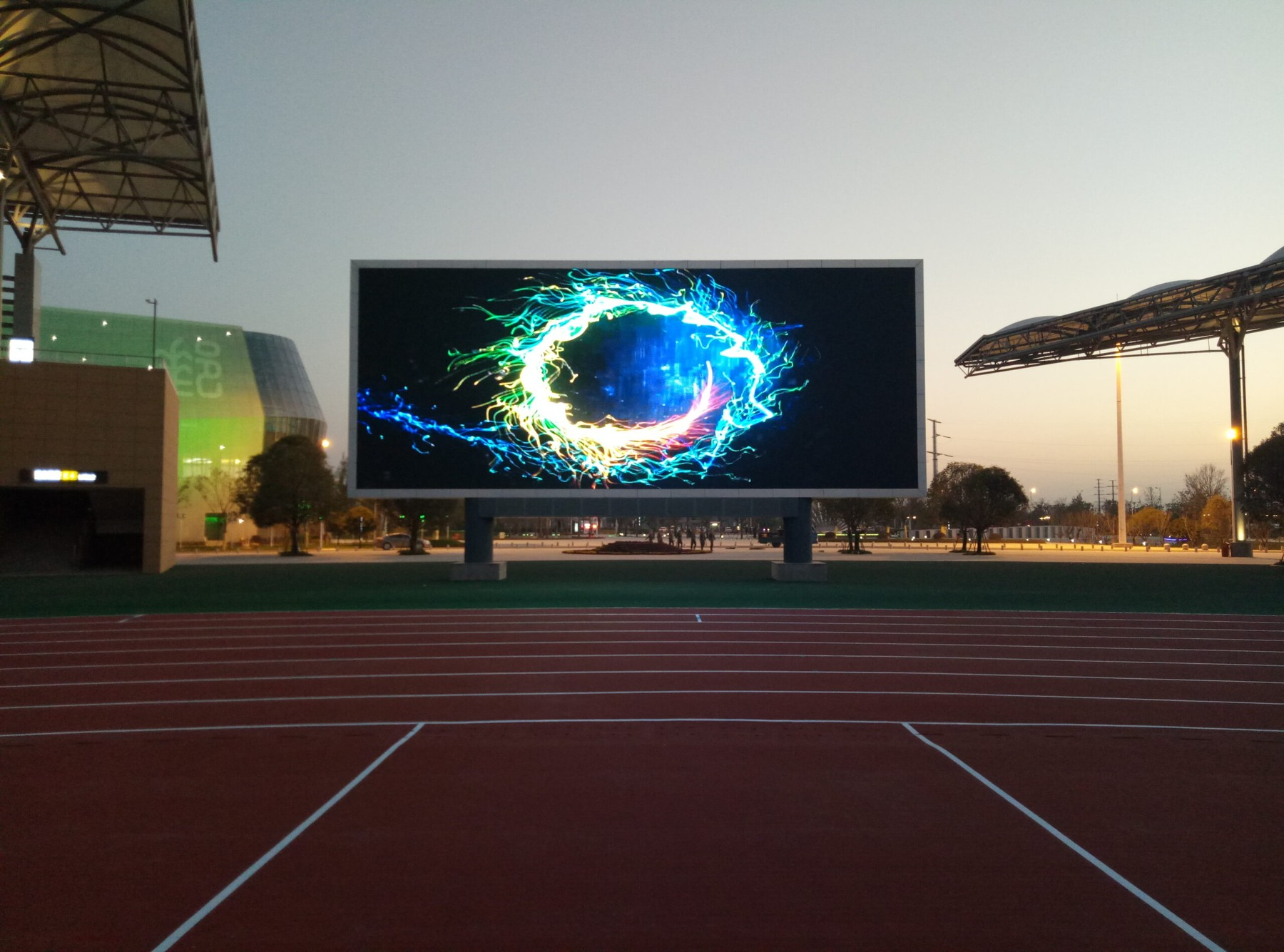
Outdoor Events Change Brightness and Protection
Daylight can reduce the apparent contrast of a display that performs well indoors. Rain and dust introduce a separate enclosure requirement. Brightness and weather protection must be examined independently because stronger output does not seal the equipment, and an environmental rating does not determine whether content remains visible to the audience.
Outdoor events require visibility and environmental protection to be checked separately. Instead of repeating the X Series brightness range, the project team should confirm the selected ZL configuration against site orientation, daylight, shelter, weather exposure, and operating schedule. This keeps a LED rental screen specification tied to the actual event environment and avoids transferring values from another rental family.
Crews Need Repeatable Handling and Service
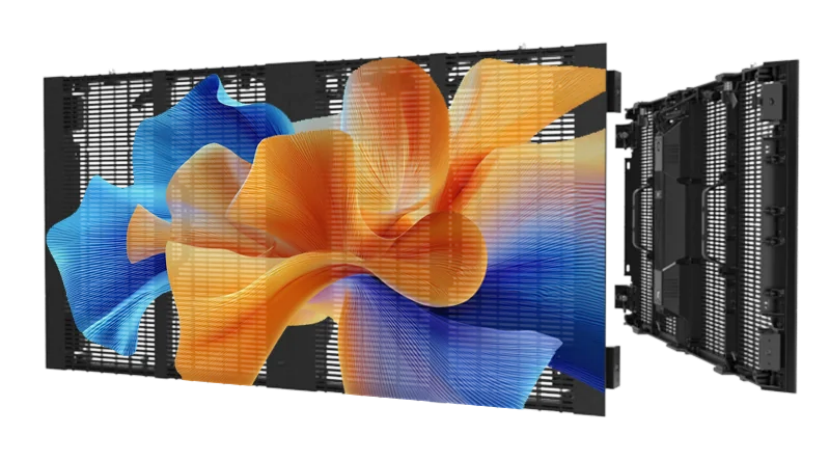
Public events may allow only a limited period for unloading, assembly, testing, operation, and removal. Cabinet size, weight, connection method, and maintenance access influence how crews use that period. Repeated deployment also means equipment must be checked between events rather than treated as a permanent wall that remains untouched.
Rental hardware should also be judged by how it affects unloading, assembly, inspection, rehearsal, and removal. A ZL-based example can focus on repeatable setup and service workflow instead of another cabinet-size table. This connects LED wall rental design with the limited event window in which crews must complete physical build and camera checks.
The order of work matters because visual checks depend on a completed structure and active signal path. Delays in physical assembly compress the time available for content review, camera testing, and correction. Equipment designed around repeated handling gives crews more control over that sequence, even though the production plan still needs realistic time for verification.
Geometry Supports Stage and Public Space Design
A rectangular background is only one possible event surface. HDC integrates R&D, manufacturing, sales, and service, giving project teams a way to review nonstandard layouts before production. Its two production bases and OEM/ODM capability can support controlled customization when a standard rental configuration does not fully fit the venue.
Performances, large conferences, exhibitions, business centers, advertising, media, and display installations are among the applications listed for the HDC rental range. Each setting still requires its own judgment about sightlines, cameras, brightness, protection, setup, and geometry. The value of an LED rental screen lies in configuring those elements as one event system, not in assuming that temporary equipment behaves identically wherever it is deployed.