Commercial display schedules rarely stay fixed long enough for every campaign, conference, or performance to justify a permanent installation. Venues change, audience size changes, and a screen that works indoors may face a brighter outdoor setting on its next assignment.
Rental demand grows from this need to reuse visual equipment without rebuilding the entire system for each brief. For LED wall rental, the operating rhythm of temporary projects requires an LED board rental platform to coordinate transport, rapid assembly, reconfiguration, environmental fit, and image quality.
Repeated Use Changes the Value Equation
Permanent equipment is planned around one site. Rental inventory must create value across many sites, so compatibility and repeated handling become central. A cabinet that is quick to connect can reduce setup pressure, while common formats make it easier to combine available units into different screen dimensions. The equipment also has to return from one event ready to be checked, maintained, and prepared for another.
Commercial teams are consequently interested in more than the appearance of a single finished wall. They examine how often the units can move, how many venue types the same family can address, and how much reconfiguration is available without introducing incompatible parts. The demand for LED wall rental reflects this operational flexibility rather than a simple preference for temporary ownership.
Reuse also changes where cost and risk appear. Established in 2004, HDC brings more than two decades of manufacturing experience to commercial display solutions, supported by engineering, production, quality control, and technical service.
For rental buyers, that background matters because equipment must remain reliable across repeated transport, setup, inspection, and reconfiguration rather than perform well only during its first event.
Transport and Setup Shape Rental Design
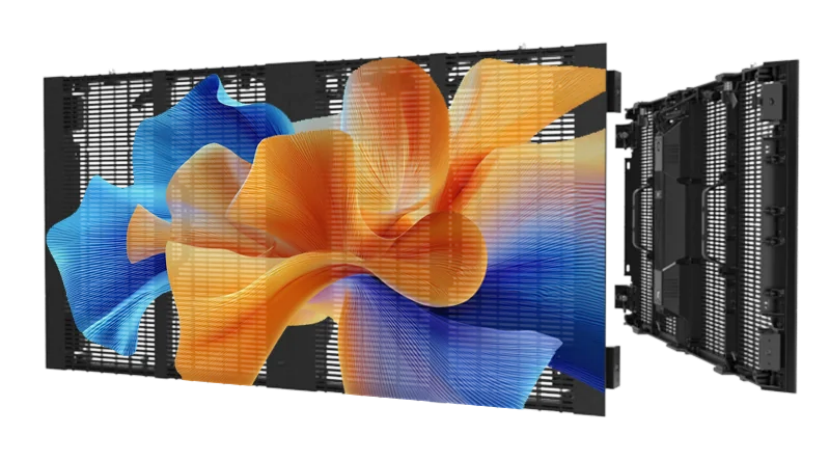
Every transfer between venues adds lifting, packing, connection, alignment, and testing work. Lower cabinet weight can reduce the physical burden on crews, while thin construction saves space during handling. Two compatible cabinet heights offer a way to build compact sections or taller structures from related components instead of maintaining separate systems for each shape.
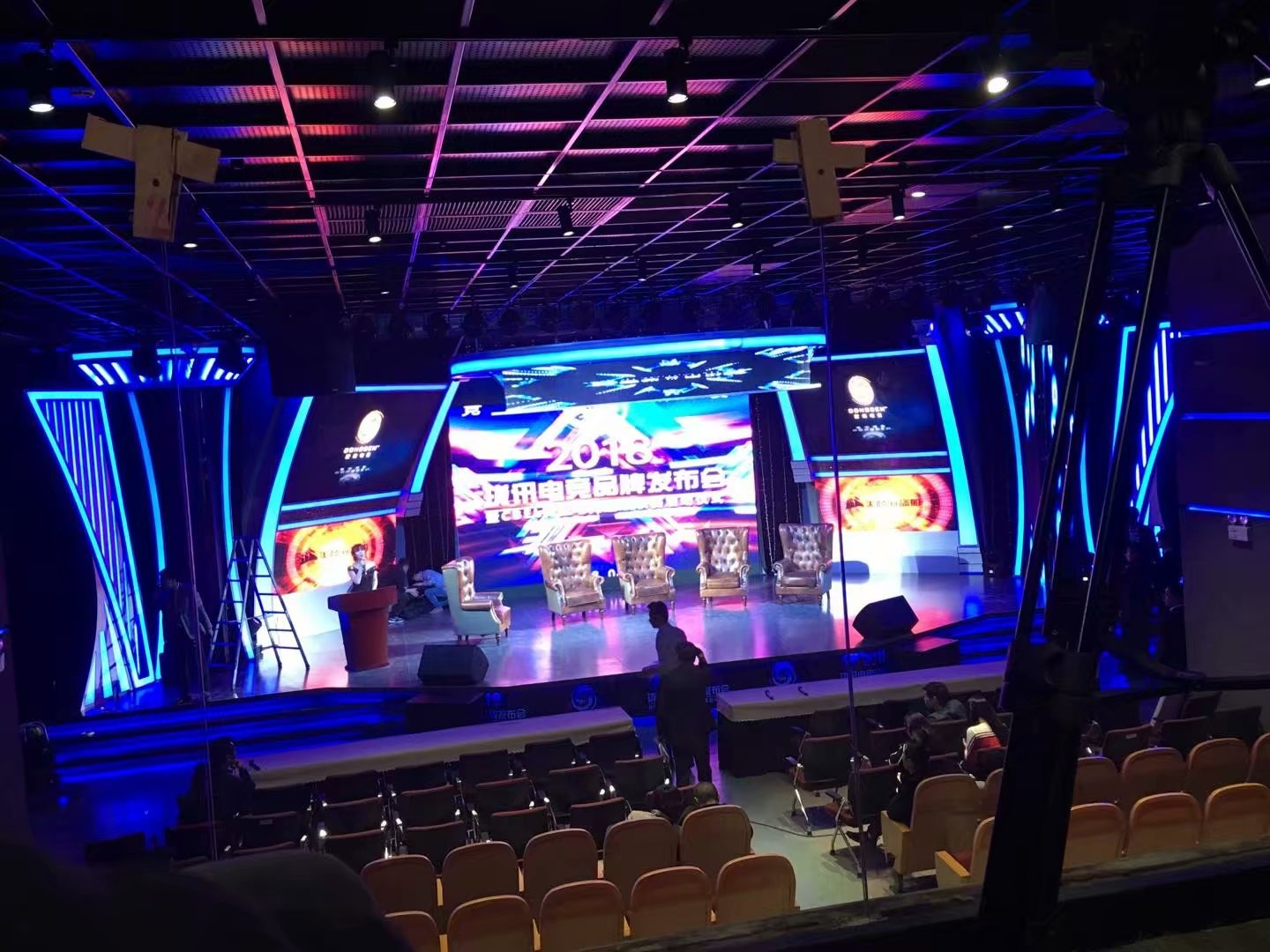
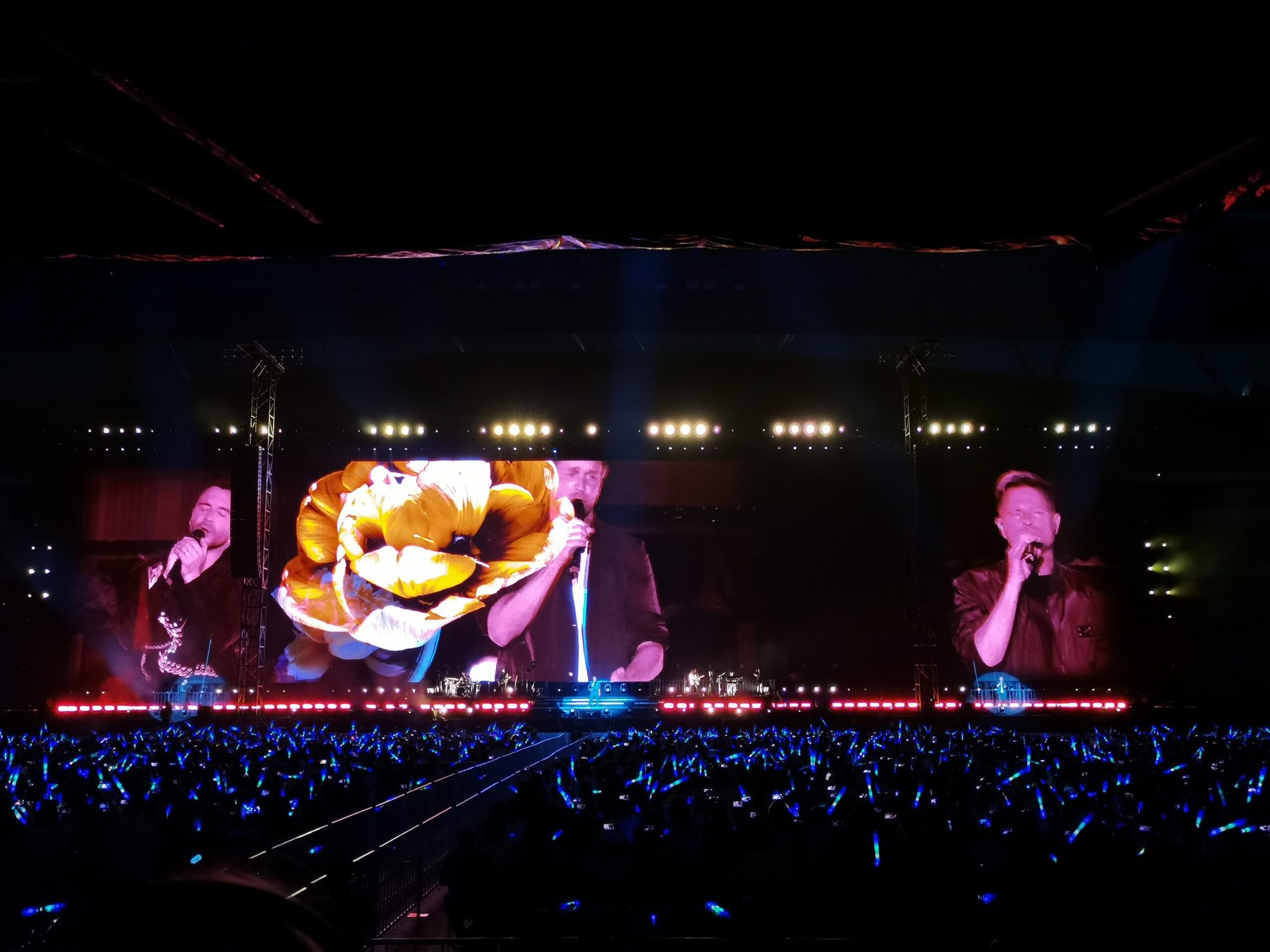
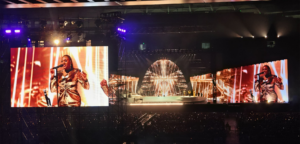
The X Series from HDC is designed for stage rental, performances, events, and large conferences. It uses 500 by 500 mm and 500 by 1000 mm cabinets that can be combined, with an emphasis on lightweight and thin construction, quick assembly, fast installation, and maintenance. These characteristics link LED board rental demand to crew workflow: the product is expected to arrive, form the required surface, and leave again within a temporary production schedule.
Indoor and Outdoor Projects Need Separate Configurations
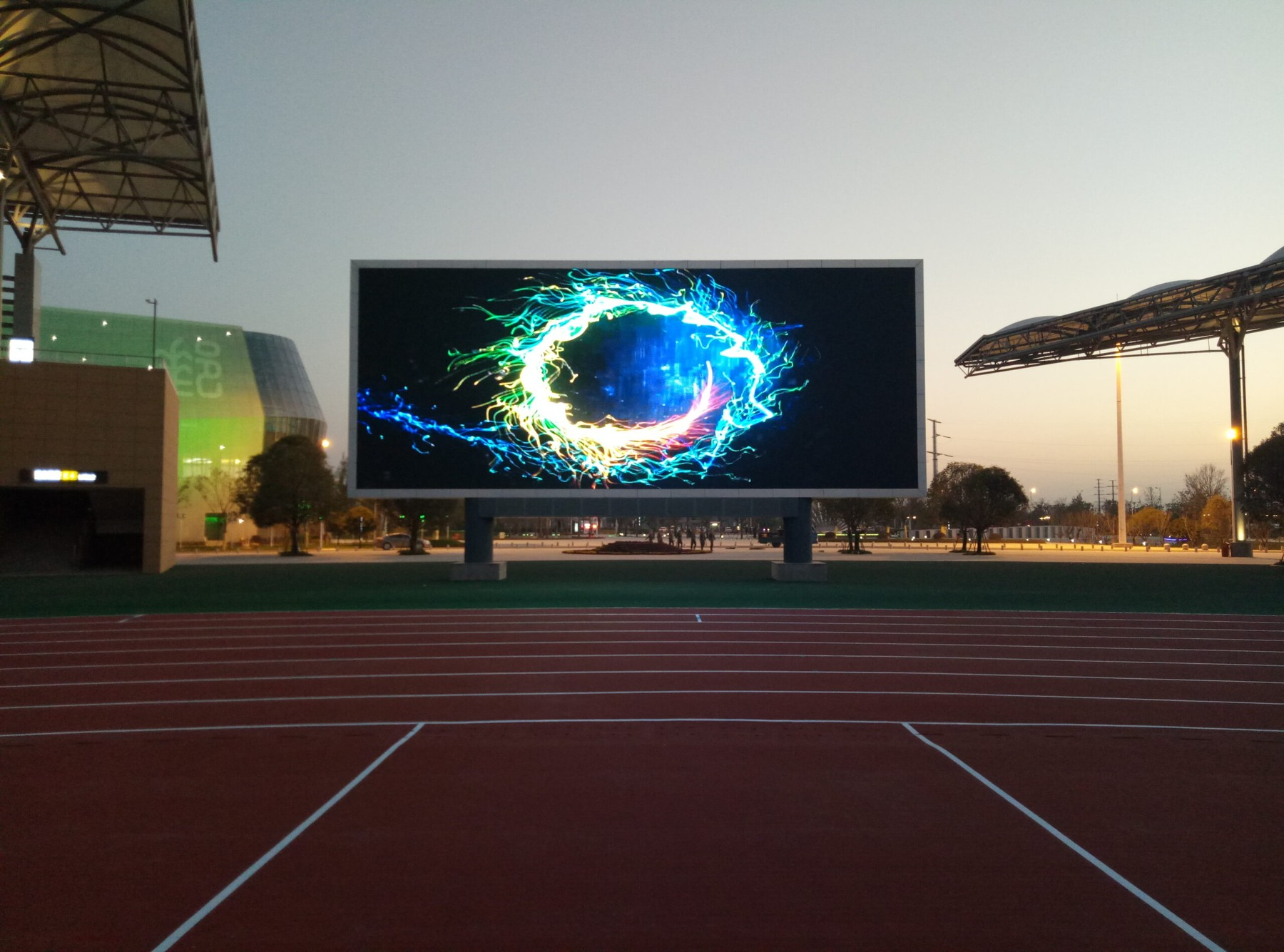
A controlled hall and an open-air venue do not create the same visual or environmental load. Indoor brightness can be set for managed lighting, whereas daylight requires stronger output. Outdoor equipment also needs protection against exposure. Treating one configuration as suitable for both settings can create either unnecessary output indoors or inadequate visibility and protection outside.
The X Series includes P2.9 models for both indoor and outdoor rental use. Although they share the P2.9 designation, the two versions are designed for different lighting and exposure conditions. A LED wall rental provider should therefore confirm the exact indoor or outdoor model before quoting pitch, brightness, or protection.
Geometry Expands the Number of Usable Briefs
Commercial events increasingly use screens as part of scenery rather than as a flat background alone. Curves can wrap a stage, define a focal area, or change the relationship between content and performers. That creative range is useful only when the adjustment mechanism remains repeatable and the resulting structure fits the production plan.
HDC provides a rental platform that supports inner and outer arcs through 12 listed angle configurations, including zero and positive or negative settings at 2.5, 5, 7.5, 10, and 12.5 degrees, plus a positive 15 degree option. Its mixed cabinet sizes and multiple shapes give LED board rental operators more ways to adapt one family to changing layouts. Geometry becomes a source of reuse rather than a custom fabrication exercise for every event.
Image Performance Still Has to Travel
Fast assembly has limited value if the completed image cannot support moving content or broad audience sightlines. Refresh rate affects image updating, and viewing angle influences how far spectators can move from the center while retaining a usable view. A rental system needs those visual qualities to remain part of the platform across repeated configurations.
Repeated deployment brings the visual parameters back into the operating cycle: the X Series lists a refresh rate of at least 3840 Hz, viewing angles of 140 degrees plus or minus 10 degrees, and a stated typical operating life of 100000 hours. Mechanical features remain a separate part of the same assessment.
Commercial demand favors rental-specific equipment when a temporary screen must be moved, assembled, reshaped, viewed across a venue, and prepared for another project. The commercial value of LED wall rental is measured across repeated deployments, including the work required between one brief and the next.