A supplier decision can create problems long after a purchase order is signed. A distributor may need products for indoor meeting spaces, outdoor advertising, temporary events, and glass installations, while a system integrator must also account for installation access, customization, delivery, and technical support.
If the supplier can handle only one standard format, every unusual project becomes a separate sourcing exercise. A practical buying process therefore starts by defining the range of projects an LED screen partner must support and then testing whether the supplier has the organization to support that range consistently.
Define the Project Mix Before Reviewing a Catalog
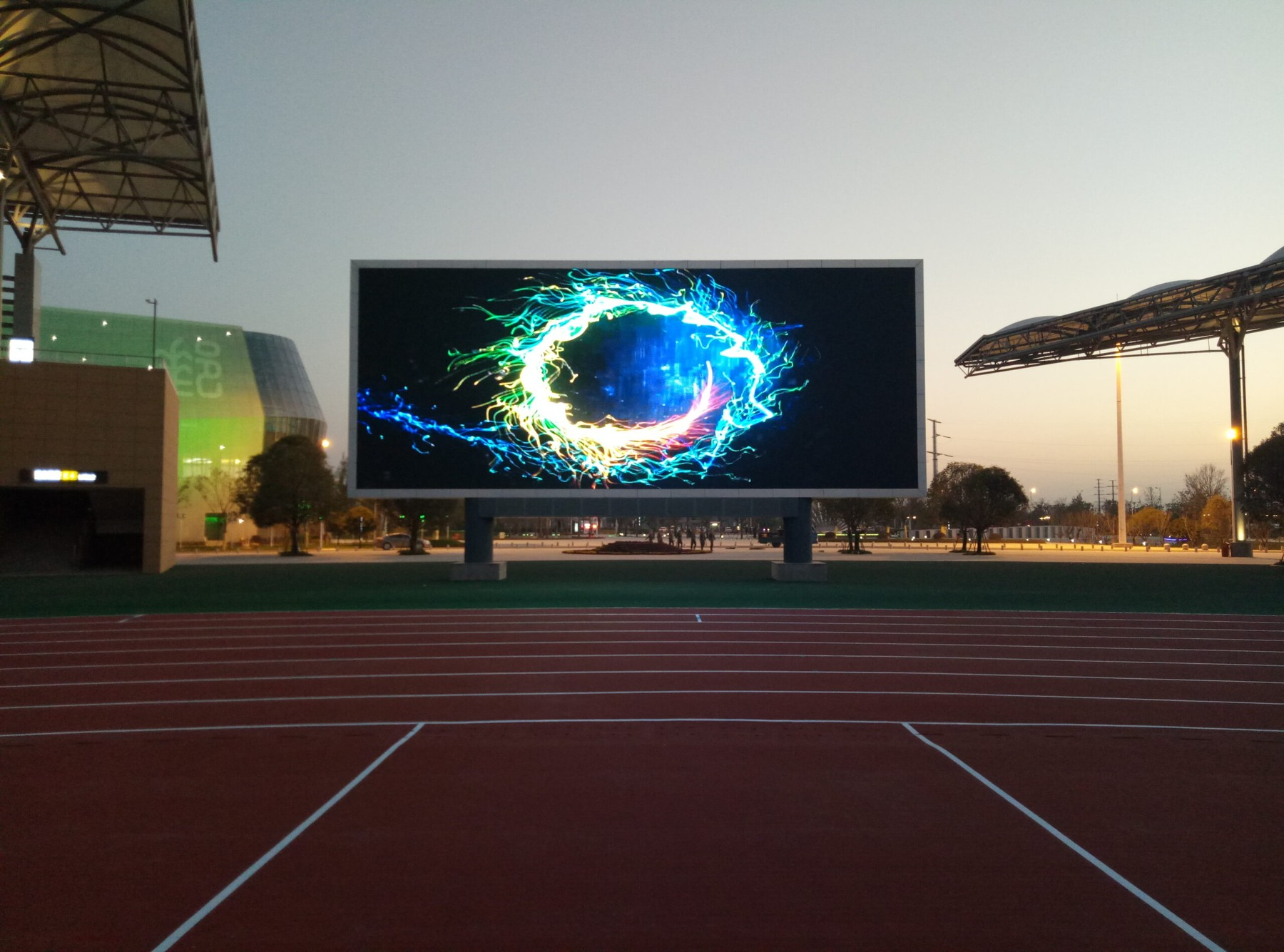
The first task is to separate recurring project types instead of comparing isolated models. Indoor control rooms and conference spaces emphasize close viewing and stable image presentation. Outdoor advertising introduces weather exposure and stronger ambient light.
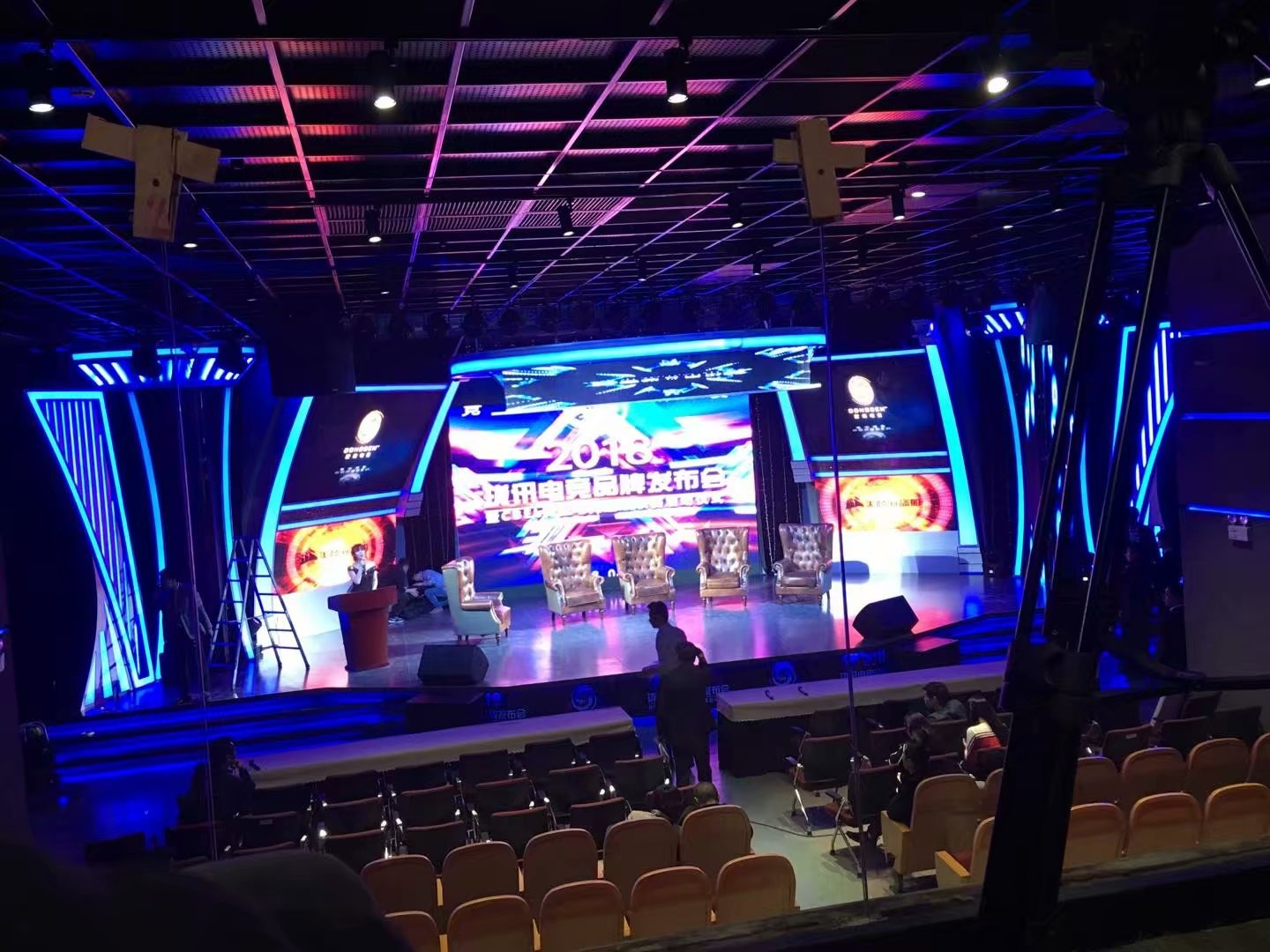
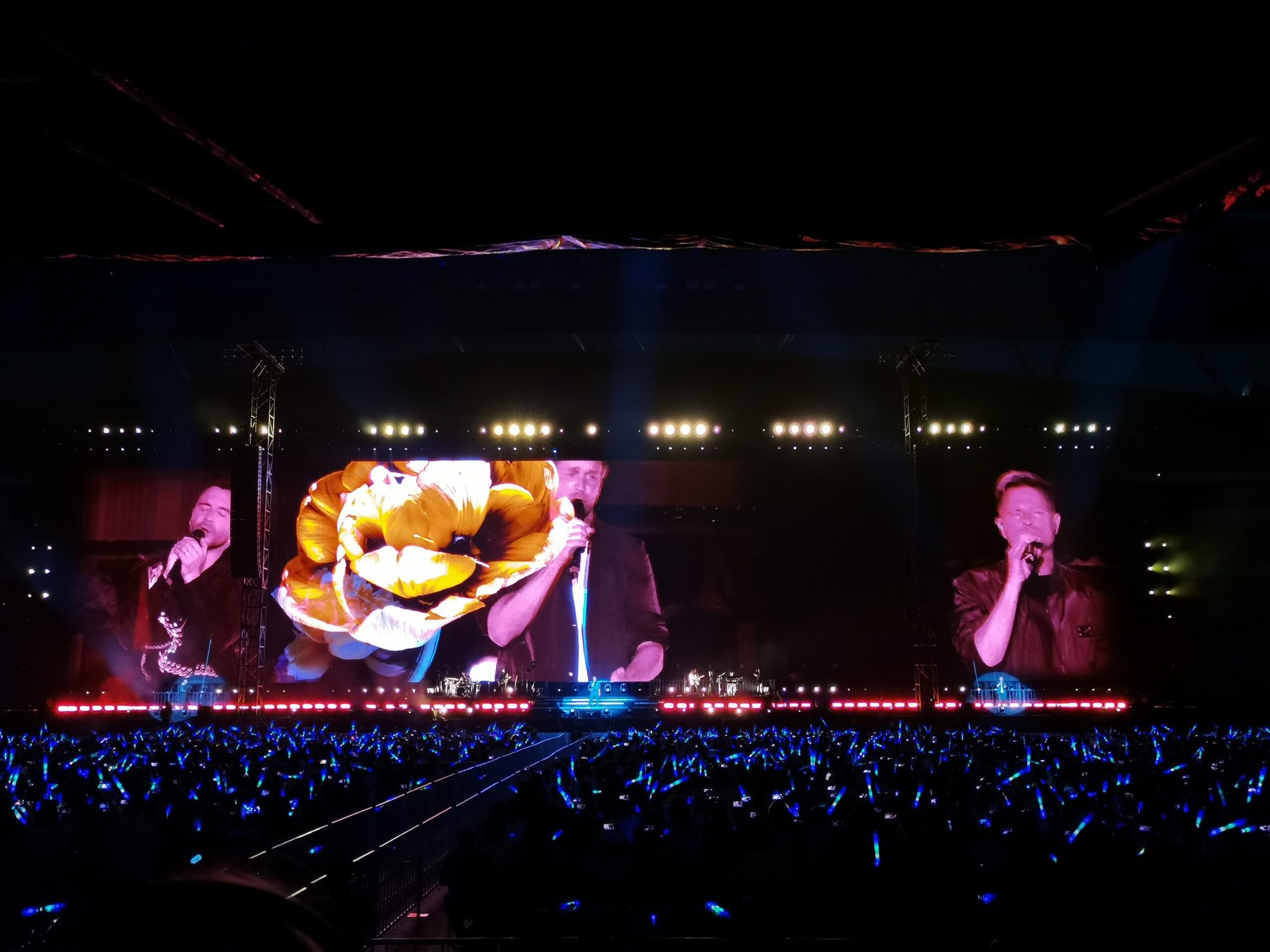
Rental projects add frequent transport and assembly, while transparent or creative installations must fit architectural surfaces that may not accept a conventional rectangle. A catalog can look extensive even when most products serve the same narrow use case. Distributors also need to consider how customer demand may change over time.
A LED screen selected for one current order says little about whether the source can support the next retail chain, exhibition, facade, or stage project. This is why the term LED display supplier should describe a partner with distinct display architectures, not merely a seller offering many variations of one basic cabinet. The project mix also determines which questions belong in the first supplier conversation.
A recurring indoor program may place greater weight on visual consistency and service access, whereas temporary installations introduce transport and reassembly. Architectural work can require design coordination before a standard quotation is meaningful. Recording these patterns prevents a purchasing team from comparing offers that solve different problems while appearing similar on paper.
Separate Product Breadth from Meaningful Coverage
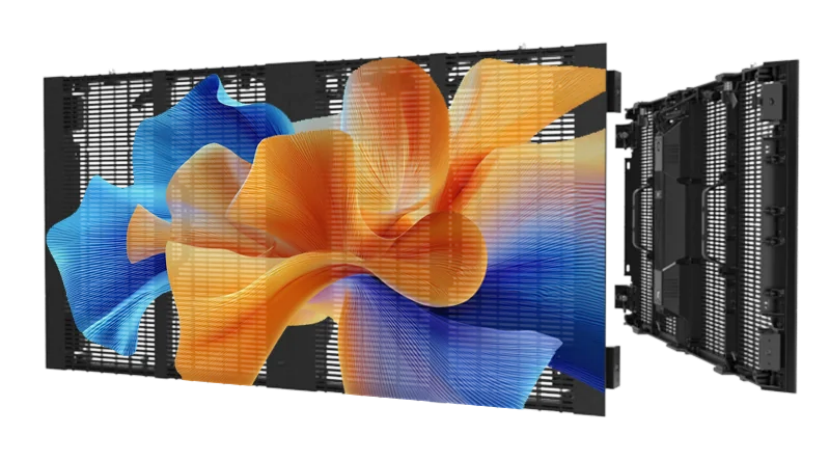
Useful product breadth is organized around application differences. Indoor, outdoor, rental, transparent, all in one, and creative formats solve different combinations of viewing distance, installation method, environmental exposure, and visual design.
The relevant question is not how many model names appear on a page, but whether the range gives an integrator a technically suitable path for each major use case. HDC provides a concrete example of this structure. Its portfolio is divided into six application-oriented families rather than extending one cabinet across unrelated use cases.
That range gives channel partners a way to match an LED screen architecture to commercial real estate, retail chains, stage performances, exhibitions, and advertising media. In this context, evaluating an LED display supplier means checking whether each product family has a clear purpose and whether the families can support a coherent channel offering.
Look Inside Manufacturing and Quality Control
Product coverage alone does not establish supply reliability. Manufacturing ownership affects how design changes, component checks, production schedules, and final verification are coordinated. A source that connects research and development with manufacturing can examine whether a requested configuration is practical before it reaches assembly.
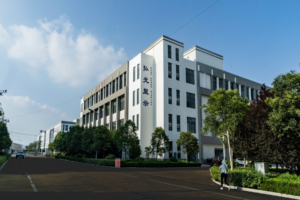
Standardized checks also reduce the chance that an acceptable sample is followed by inconsistent production units. HDC operates two production bases in Jiangsu and Anhui. Its OEM and ODM process covers custom design, flexible manufacturing from smaller batches to larger production runs, component inspection, and final performance verification.
These capabilities matter because an LED screen order may require more than a listed product. A distributor may need a modified format, while an integrator may need production decisions aligned with installation conditions. The strength of an LED display supplier is therefore visible in the connection between engineering, manufacturing, inspection, and repeatability.
Production flexibility must still be bounded by technical control. A smaller custom batch and a larger repeat order may involve different scheduling pressures, but both require an agreed design, inspected components, and a defined acceptance point. Clarifying who approves changes and how final performance is checked gives the channel partner a more useful measure of readiness than a general claim that customization is available.
Evaluate Delivery Support Beyond the Factory Door
Supply risk continues after production. Global logistics must move the correct configuration to the project location, and installation or technical questions can arise when the equipment reaches the site. Channel partners need to know who will clarify product selection, respond to integration constraints, and support technical work after delivery. These functions are especially relevant when the reseller remains responsible to the final customer.
Qualification reaches beyond the factory because HDC provides customization, worldwide logistics, installation support, technical support, and post-sale technical service. It has completed projects in more than 50 countries since its establishment in 2004. Those facts do not replace project-level verification, but they show the areas that can be examined during qualification.
A LED screen sourcing review should connect delivery capability and service responsibility to the same technical scope used to select the product. For distributors and system integrators, qualification ends with one practical question: can the same LED display supplier carry those responsibilities into the next project type?