People do not look at a boardroom display, a shop window, and a building facade in the same way. Viewing distance changes, ambient light changes, content serves a different purpose, and maintenance teams may reach the equipment from entirely different directions.
Corporate displays often support meetings, monitoring, or broadcasting, while retail installations may attract attention, present promotions, or become part of a storefront. The application should therefore define the LED screen architecture before a product family or supplier is discussed.
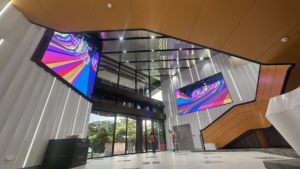
Start with the Way the Audience Uses the Space
A viewer in a corporate setting may sit close to a screen for an extended period and examine detailed information. In that setting, pixel pitch and image continuity affect whether text, charts, and video remain comfortable to view. Conference halls and control rooms also need sightlines that remain usable from different seats, so viewing angle becomes part of the room plan rather than a specification considered in isolation.
Retail behavior is usually more mobile. Customers may approach from the side, pass a shopfront quickly, or see content from several distances. A LED screen can function as a promotional surface, a branding element, or part of the interior experience. The LED display supplier must therefore be assessed against the actual audience path, not a single ideal viewing position.
Connect Light Conditions with Display Performance
Ambient light determines how much visual output is needed for content to remain legible. A controlled meeting room does not create the same brightness demand as a window or exterior facade. Excessive brightness indoors can be uncomfortable, while insufficient output near daylight can weaken contrast. Brightness figures only become useful after the installation location and content have been defined.
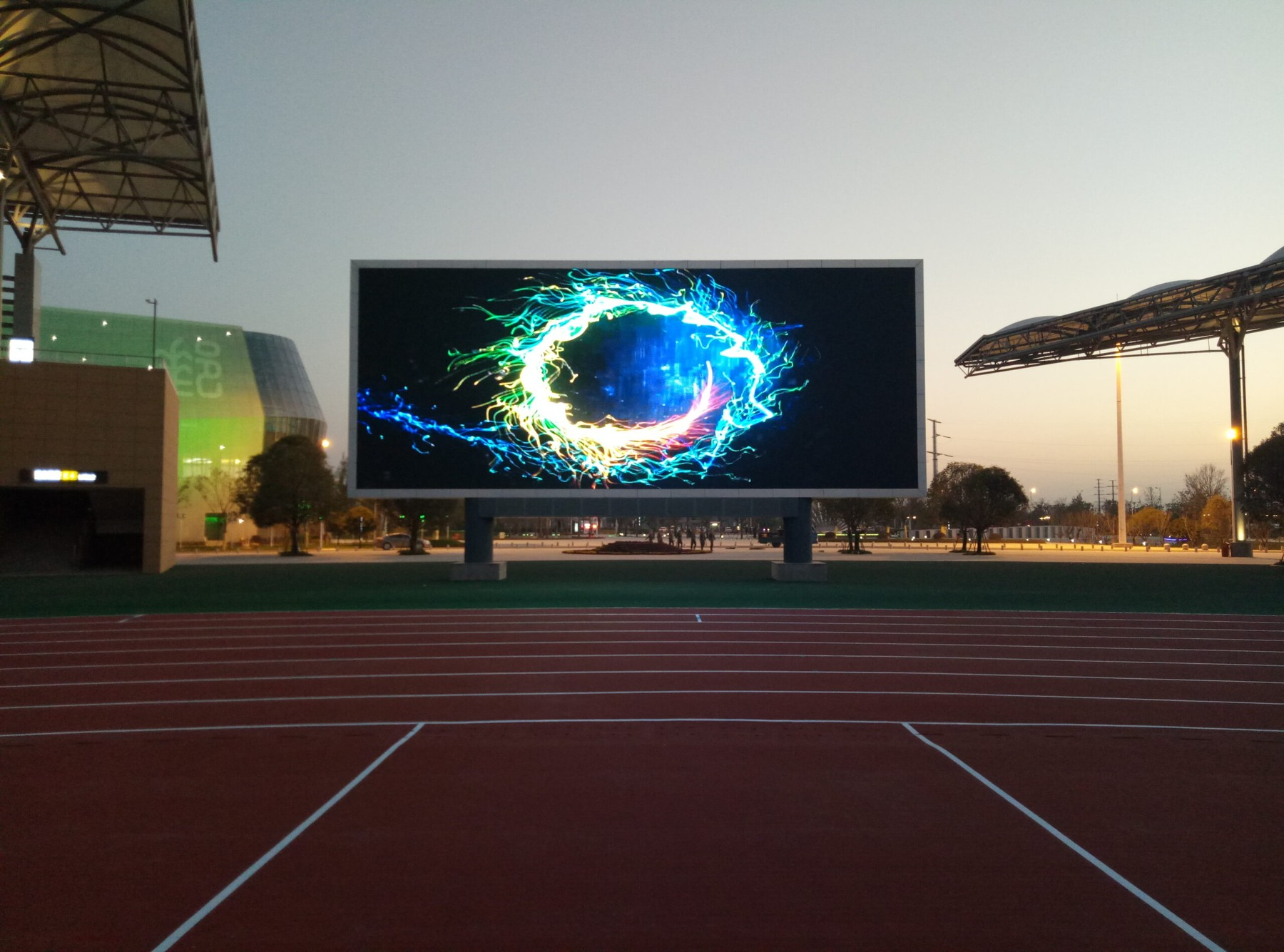
HDC approaches these application differences through an integrated R&D, manufacturing, sales, and service structure. Building facades, shopfront windows, restaurants, entertainment venues, fitness locations, chain stores, and automobile shops can therefore be considered together with product selection, customization, production feasibility, and follow-up support. The role of an LED display supplier is to connect the visual task and light environment with a suitable display category rather than direct every project toward the same format.
Plan Resolution Around Distance and Content
Pixel pitch describes the spacing between pixels, so it has a direct relationship with perceived image detail at a given distance. Fine pitch is valuable where viewers stand close or where the content contains detailed material. A larger viewing distance may allow a different pitch without compromising the intended experience.
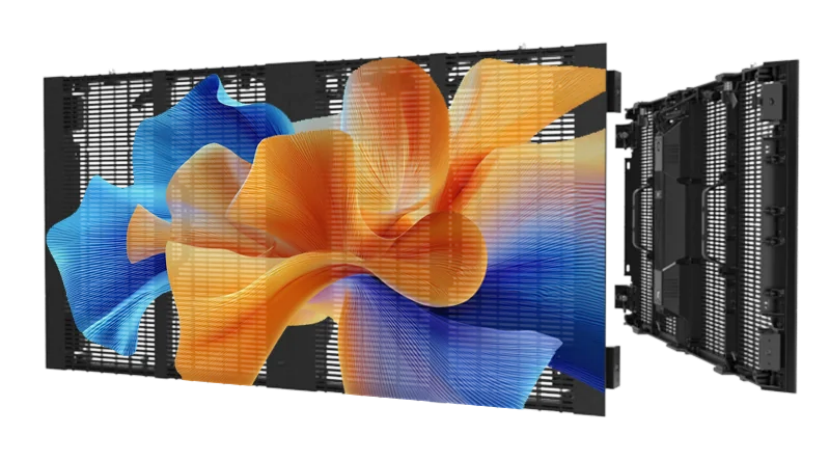
Resolution planning should therefore begin with the closest critical viewer and the type of information being shown. HDC’s indoor SMD line uses pixel pitches from 1.2 to 2.5 mm and is designed for control rooms, conference halls, broadcast studios, and premium retail spaces.
It also provides a 3840 Hz refresh rate, 600 cd/m2 white-balance brightness, and 160 degree horizontal by 140 degree vertical viewing angles. These values give an LED screen planner measurable points for indoor image detail, motion presentation, brightness, and sightline coverage. They also show what to examine when comparing an LED display supplier for close-viewing commercial environments.
Treat Installation and Maintenance as Part of the Application
The display must fit the physical site and remain serviceable after installation. A corporate wall may have limited rear access. A storefront installation may need to preserve usable floor space or coordinate with glass and interior finishes. Facade work introduces a different structural and access problem. Ignoring maintenance during design can turn a technically suitable product into an operational burden.
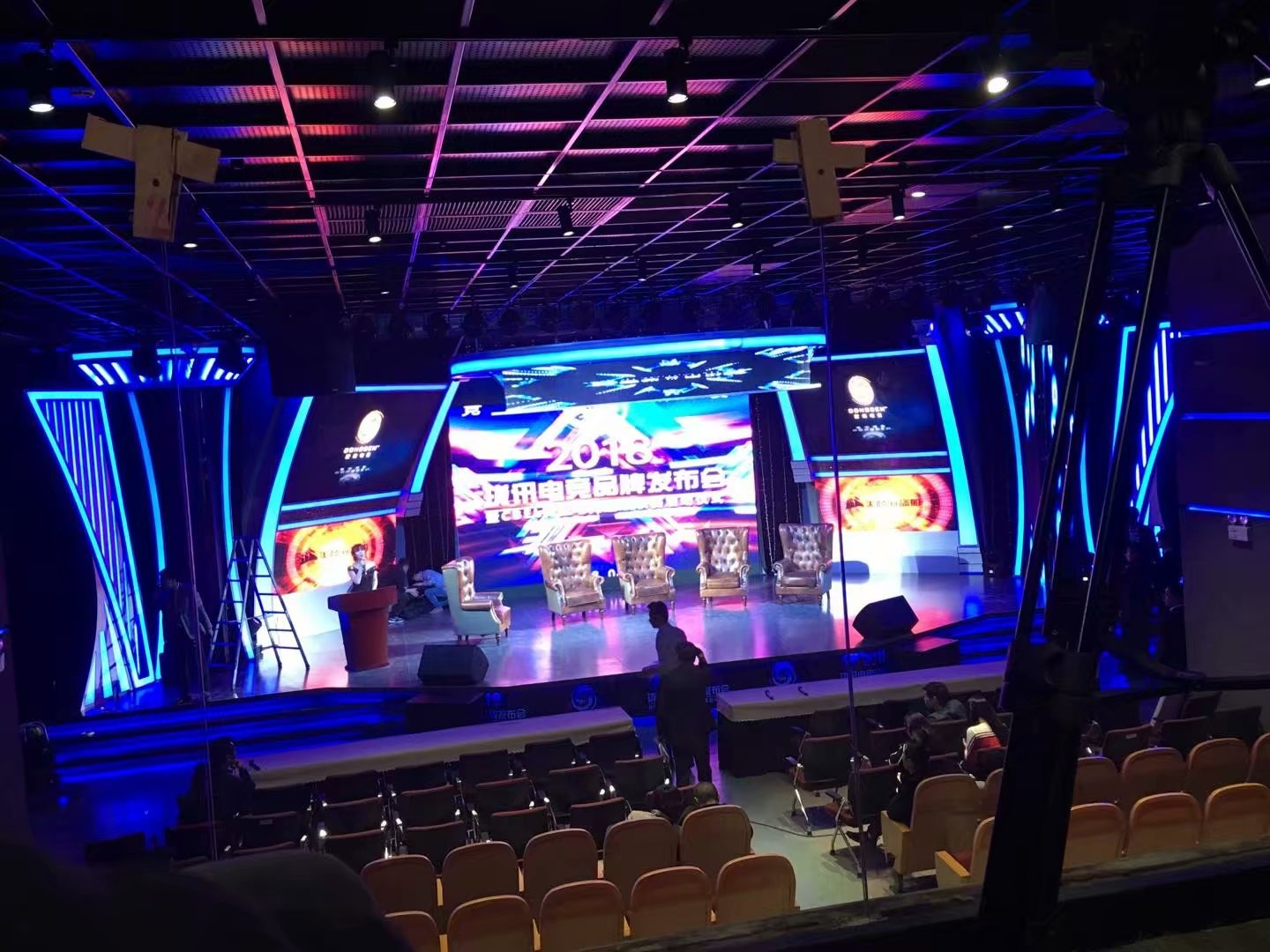
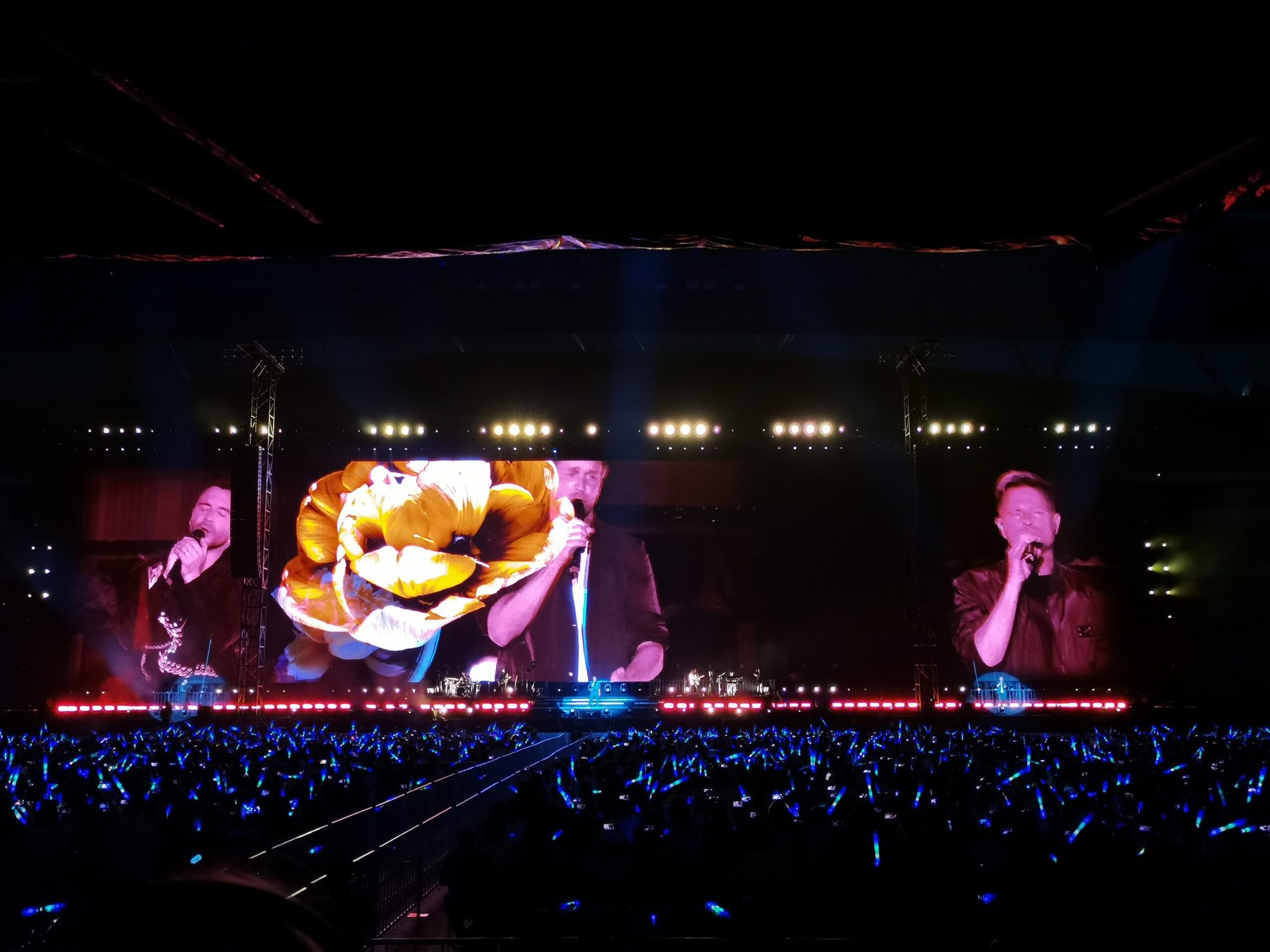
Full front maintenance on HDC’s indoor SMD models addresses spaces where rear service access is restricted. Elsewhere in its application range, stage and rental products address events and performances, exhibition products support expos, galleries, shopping malls, and temporary celebration venues, and DOOH applications include advertising and billboard installations.
This breadth does not remove the need for a site survey; it demonstrates how application categories lead to different product and access decisions. Physical integration also affects the content experience. Screen dimensions, mounting position, and surrounding surfaces determine whether viewers encounter a unified image or a display that feels disconnected from the space.
A technically capable panel can still be poorly applied if the installation blocks circulation, conflicts with sightlines, or leaves service points inaccessible. Those questions belong in the application brief before equipment is finalized.
Build the Brief from Conditions Rather Than Labels
A useful corporate or retail brief records the audience distance, ambient light, content type, installation surface, service route, and expected use. Those facts make parameters easier to interpret and supplier proposals easier to compare.
HDC’s application range and indoor specifications can then be considered against a defined environment instead of being treated as general promotional claims. The best result is not simply a larger or brighter display, but an LED screen that behaves correctly in the space where people will actually see and maintain it. The same brief can also distinguish fixed requirements from preferences.
Viewing distance and access limitations may be firm site conditions, while cabinet layout or content format may allow alternatives. Separating the two gives designers and suppliers room to propose workable configurations without losing the purpose of the installation. The resulting application brief describes the environment before it names the product.