A product line arranged only by model number is difficult to sell, stock, and explain. Agents and distributors usually face groups of customer needs: close-viewing indoor projects, weather-exposed advertising, temporary event systems, glass integration, and unusual architectural forms.
If every request begins with a fresh search through unrelated specifications, the portfolio creates work instead of reducing it. A stronger method organizes each LED screen family by use case, then uses manufacturing flexibility to cover the gaps that standard products cannot address.
Organize Demand into Practical Product Families
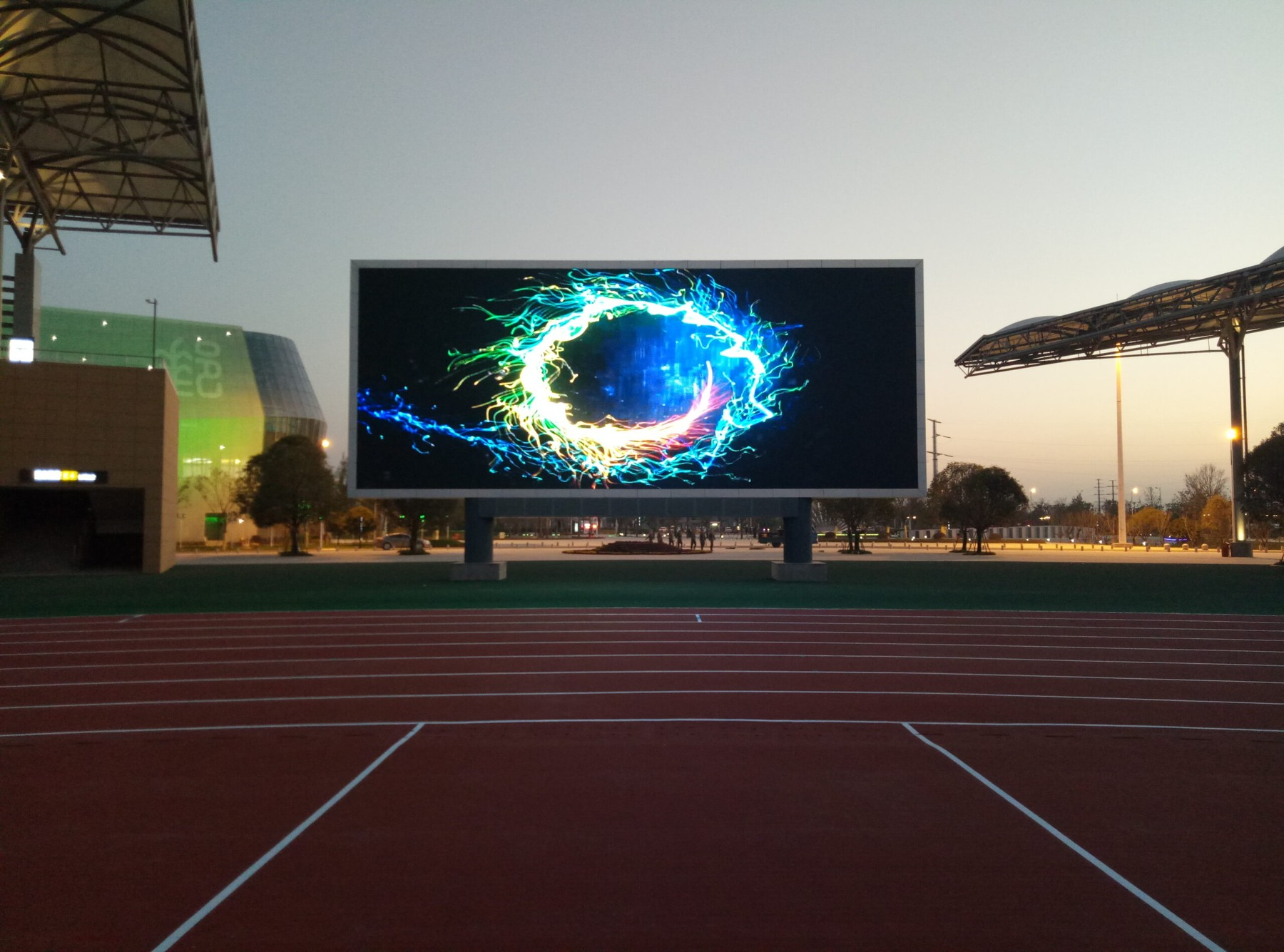
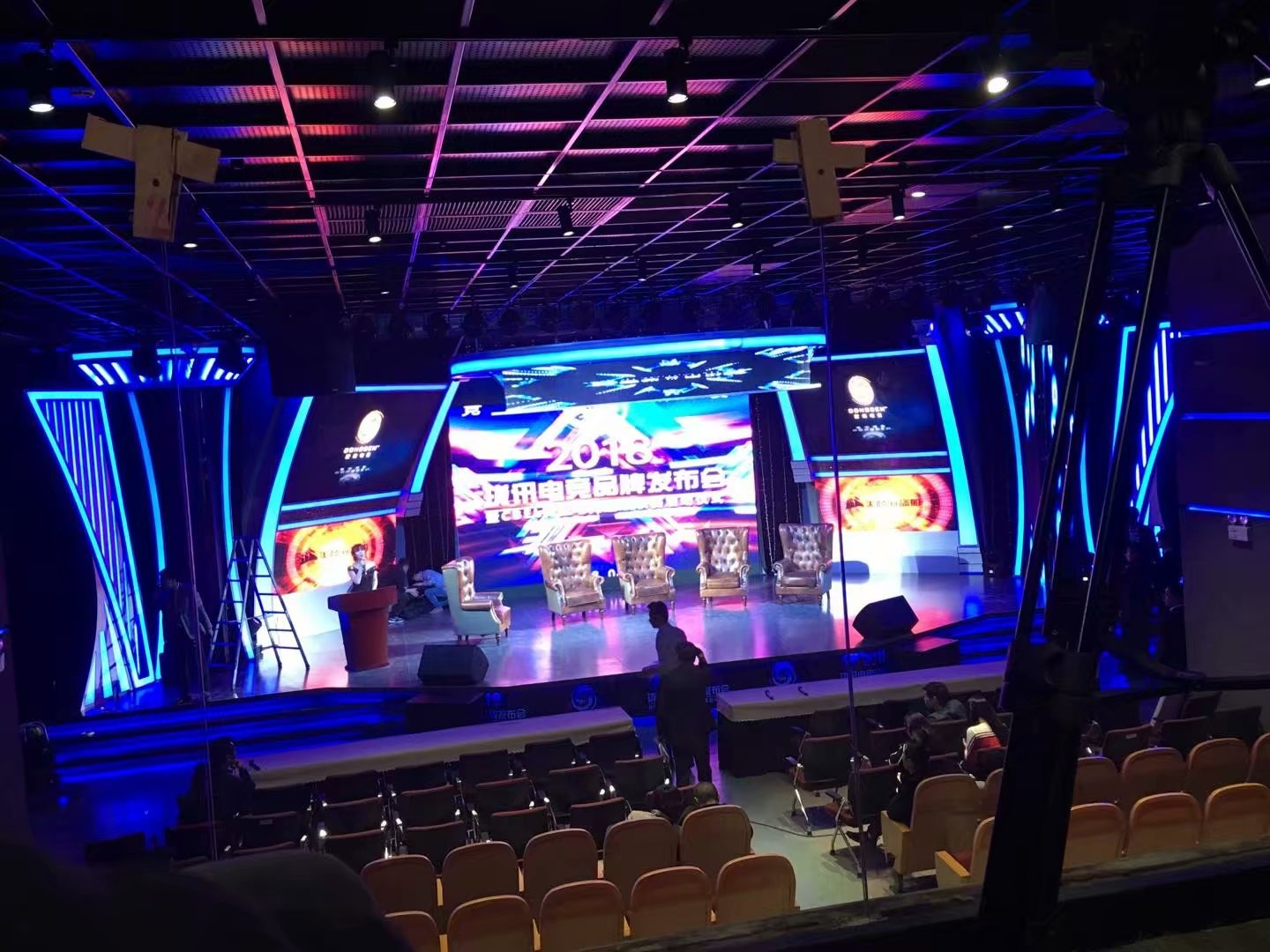
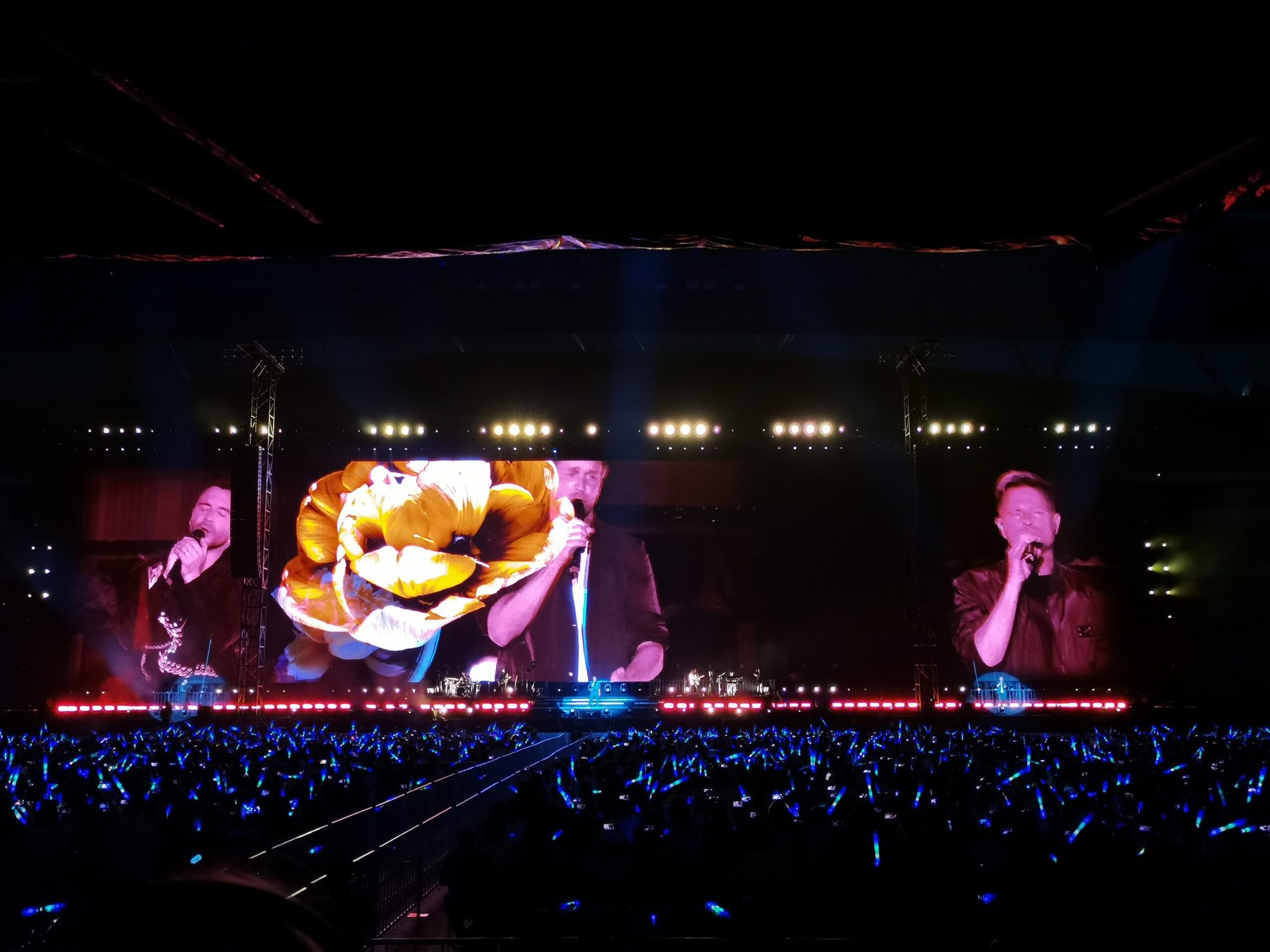
Portfolio design begins with the environments customers repeatedly encounter. Fine-pitch indoor systems belong with conference rooms, control spaces, and other close-viewing applications. Outdoor systems address sunlight and weather exposure. Rental equipment serves temporary deployment, while transparent products preserve a relationship with glass or facade structures.
Creative formats address shapes that do not fit a conventional flat rectangle. This use-case structure prevents several products from competing for the same narrow role while other demand remains uncovered. A LED display factory can then be evaluated by the clarity of its product architecture, not simply by the number of items it lists.
Each LED screen category should give the channel partner a distinct answer to a recognizable project condition. Demand groups can be refined without turning every customer request into a separate category. Indoor projects may share a common need for close viewing even when one is a conference room and another is a control space.
Outdoor advertising and public installations may share exposure concerns despite different content. Grouping by the conditions that drive design keeps the portfolio compact enough to explain while preserving the distinctions that affect product suitability.
Use a Broad Platform to Create a Coherent Offering
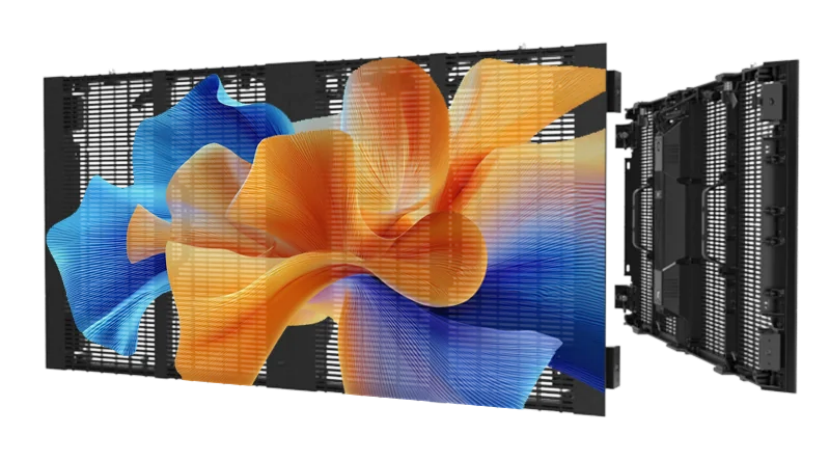
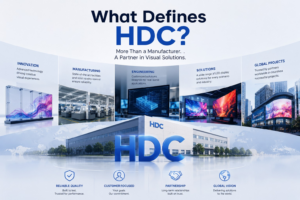
HDC’s current portfolio provides six starting points: Transparent, All in One, Rental, Indoor, Outdoor, and Creative displays. For agents and distributors, these families can form a practical map from customer requirement to product type. Indoor products can support conference and control spaces, outdoor products can address advertising and public environments, and rental systems can cover temporary events.
Transparent and creative options extend the line toward glass integration and nonstandard architectural work. The value of this structure lies in separation with a common supply relationship. A channel partner can discuss different applications without assembling an unrelated network for every project.
The HDC LED screen range therefore illustrates how an LED display factory portfolio can be broad while still remaining understandable to sales teams, integrators, and final customers. Clear family boundaries also improve qualification. Sales teams can ask about environment, distance, permanence, and architectural form before discussing a model.
That sequence reduces the risk of presenting a familiar product simply because it is easy to quote. It also creates a consistent handoff to technical staff, who receive a defined use case instead of a vague request for a large digital display.
Close Portfolio Gaps Through Customization
Standard products cannot anticipate every cabinet geometry, installation surface, order volume, or project constraint. Customization becomes useful when it responds to a defined gap rather than creating unnecessary variation. The first question is whether a standard family already fits.
If it does not, the required change should be described in terms of design, manufacturing, installation, and verification. HDC provides OEM and ODM services from product design through manufacturing. Its research and development team handles custom design, while two production bases support flexible manufacturing from smaller batches to larger production runs.
This connection matters because a modified LED screen must remain manufacturable and consistent, not merely attractive in a drawing. A LED display factory that links design with production can evaluate the request against real assembly and delivery conditions. Before customization begins, the channel partner needs to identify the exact limitation of the standard option.
The issue may involve dimensions, appearance, installation access, application environment, or order scale. Describing the constraint prevents customization from becoming uncontrolled feature accumulation. It also provides a basis for deciding whether a proposed change belongs in the core range, remains a project-specific extension, or should be declined because it weakens portfolio coherence.
Protect Channel Growth with Repeatable Operations
A portfolio becomes harder to manage as volume and variety increase. Component inspection, final performance verification, standardized assembly, and consistent cabinets and modules help keep expansion under control. Worldwide logistics also matters because a product line is only useful when orders can move from production to the markets served by the channel partner.
Beyond the family map, HDC’s manufacturing system connects product development, assembly, quality control, and delivery. Its support scope includes component inspection, final verification, and global logistics. These functions give agents and distributors points to examine as they move from individual orders toward a repeatable offering.
The objective is not to stock every possible LED screen, but to establish core families and a supported route for project-specific extensions. For an LED display factory product line, growth is measured by how clearly standard families and project-specific extensions are kept separate.