Many long-term display problems begin before the equipment reaches the installation site. Variation in components, uneven module behavior, incomplete calibration, or inconsistent assembly can remain hidden during a quick visual check and appear later across a larger display.
Reliability is therefore not established by one impressive specification or by the appearance of a sample. It is created through a sequence of controls that keeps each LED screen consistent from incoming materials through final packaging and verifies that the design suits its operating environment.

Control Variability at the Component and Module Stages
An assembled display combines many repeated elements, so small differences can become visible across a large surface. Component selection establishes the starting quality, while module testing identifies faults before modules are integrated into cabinets. Early controls are valuable because later correction becomes more difficult once production has advanced.
A reliable LED display factory should be able to explain where inspection occurs and what happens when a part or module does not meet the required standard. The purpose is not to promise that no fault can ever occur. It is to show that the LED screen production process has defined points for detecting variation before shipment. The sequence of control matters as much as the list of checks.
Detecting a component issue before assembly limits the number of downstream operations affected by it. Finding the same issue only after cabinets have been completed creates more rework and makes the source of variation harder to isolate. Early inspection therefore supports both quality consistency and a clearer production response when a problem appears.
Verify Brightness Color and Operating Stability
Calibration and testing examine different aspects of performance. Brightness calibration addresses uniform visual output across the assembled surface. Color-consistency checks look for differences that can make adjacent areas appear uneven.
Aging tests operate the equipment over a defined production stage so that problems not visible at first power-on have a better chance of being detected. HDC’s pre-shipment process includes component inspection, module testing, brightness calibration, aging tests, color-consistency checks, and overall performance verification.
These steps create a traceable sequence from parts to finished equipment. They also give a purchaser specific questions to ask of an LED display factory instead of relying on general statements about quality. Each check addresses a different way in which an LED screen can fail to meet expectations.
Apply Standardized Procedures Across Production
Testing is less meaningful if assembly conditions change unpredictably between orders. Standardized production procedures help align the handling of LED modules, cabinets, completed systems, and packaging. Repeatability matters to a buyer ordering several screens, replacing a module, or extending a project because visible and mechanical consistency must continue beyond the first sample.
HDC applies standardized procedures from modules and cabinets through final packaging. Its two production bases follow an ISO-standard quality-management approach covering raw materials through delivery, while final quality assurance includes inspection of components and final performance.
In this setting, the LED screen is treated as the output of a managed process. The reliability of the LED display factory can be examined through records, checkpoints, and repeatable production stages rather than inferred from marketing language.
Match Reliability Measures to the Application
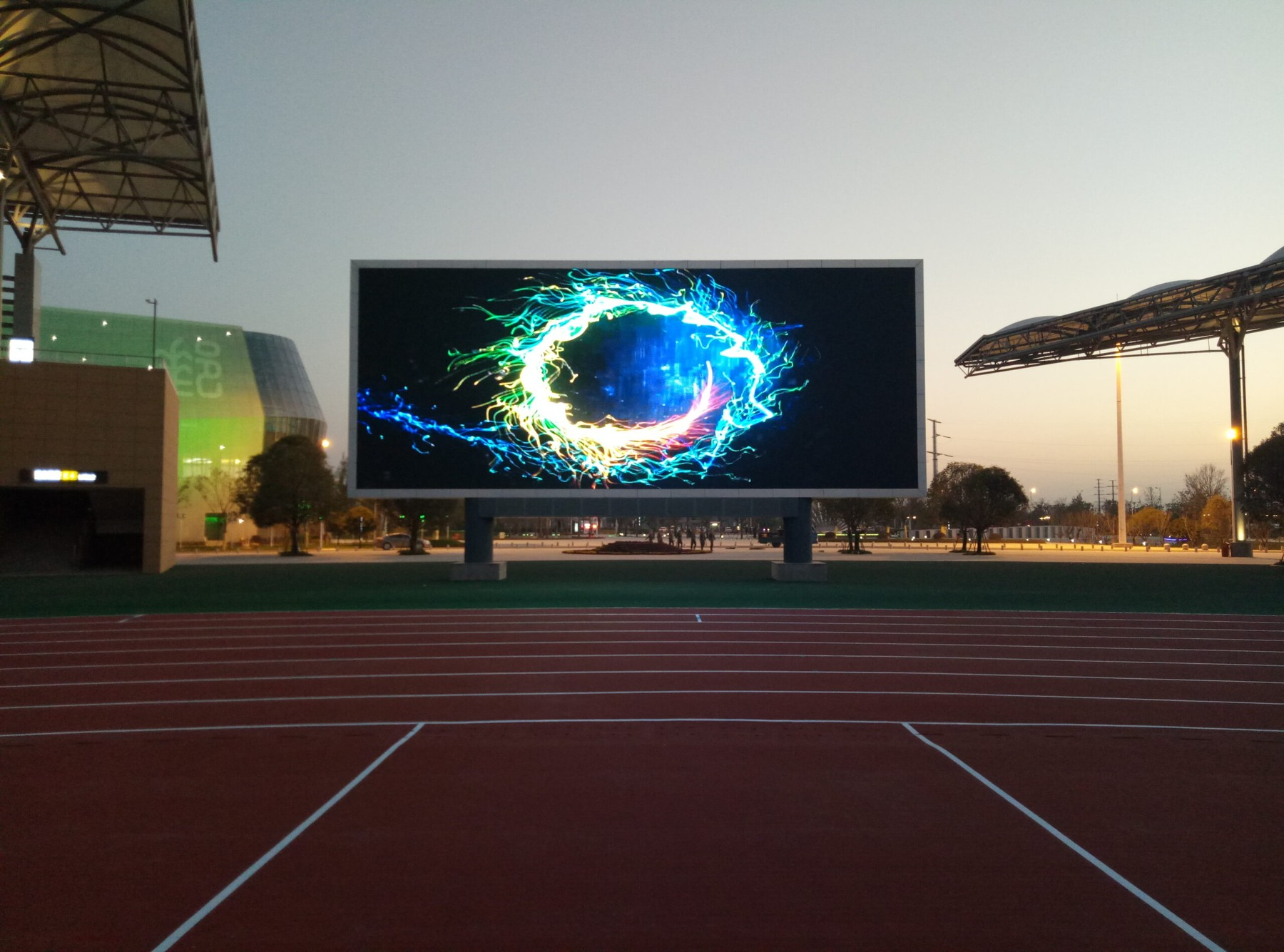
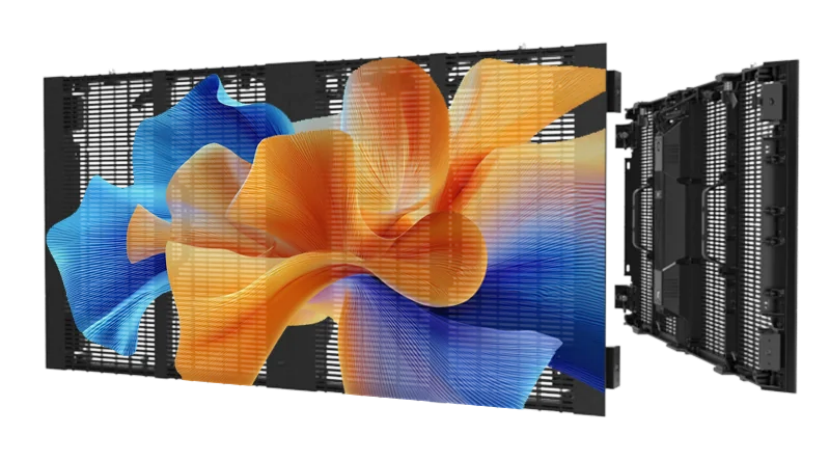
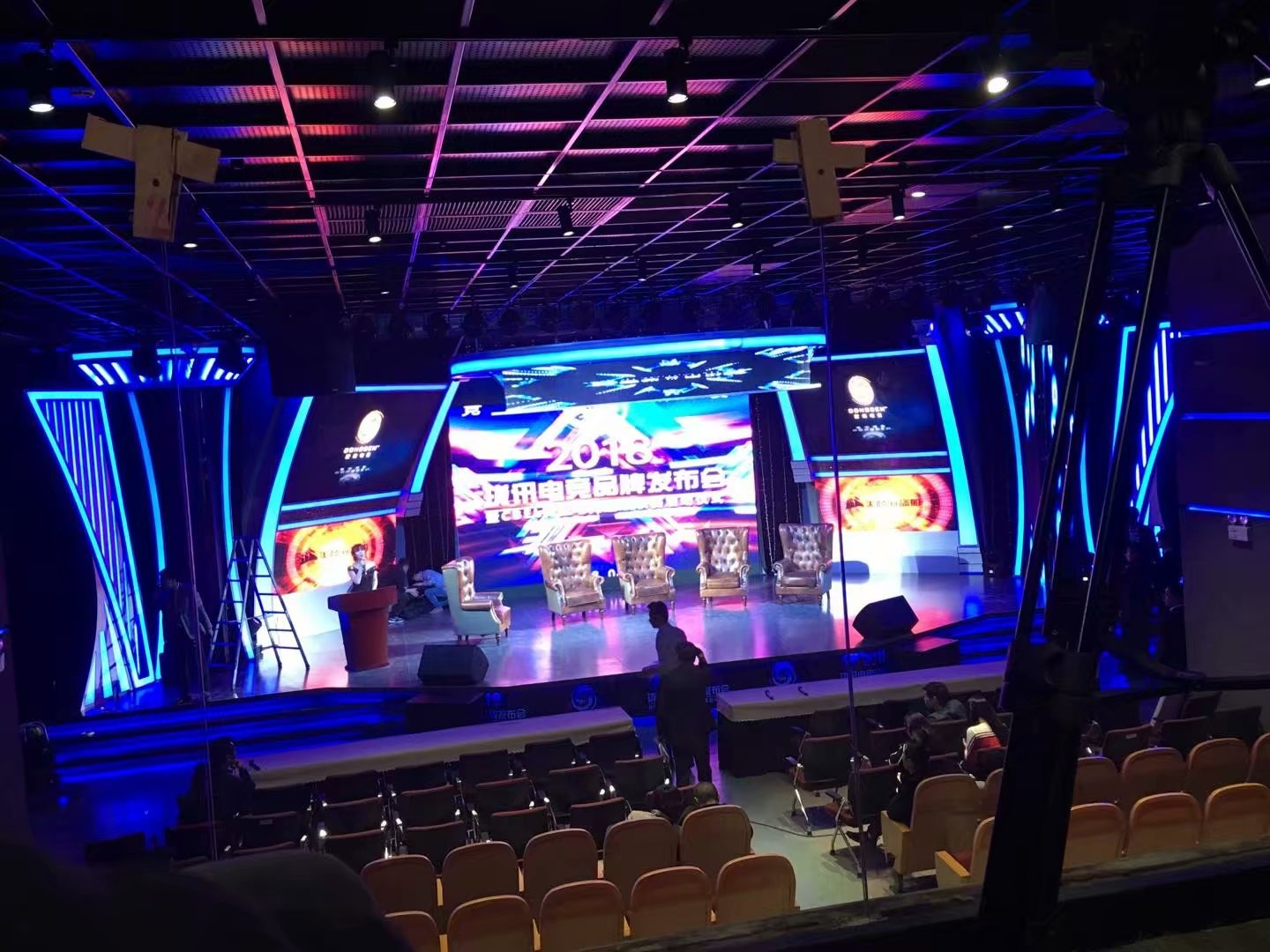
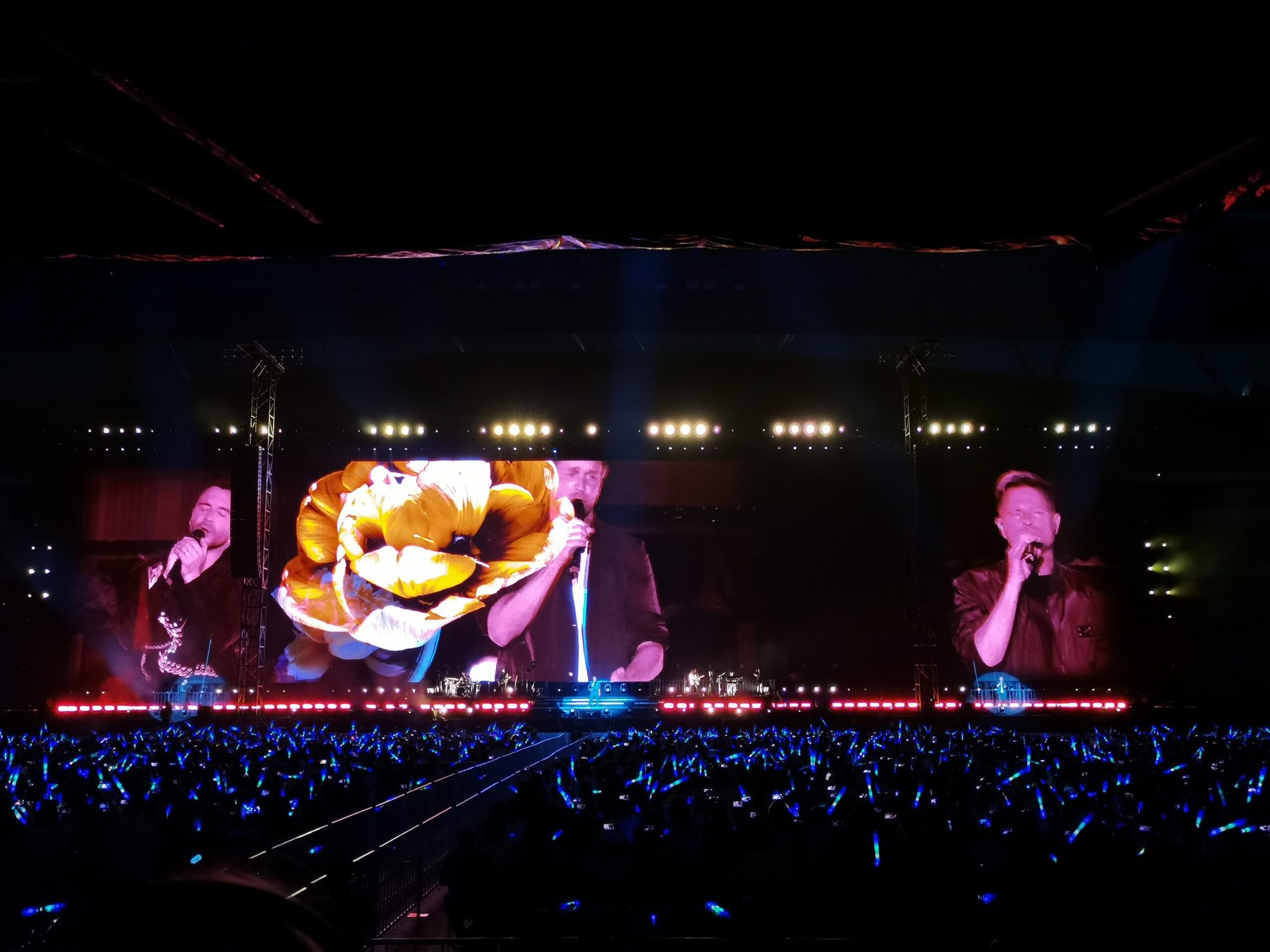
Reliability does not mean the same design is suitable everywhere. Outdoor products need protection against weather exposure. Rental displays require structures that tolerate repeated assembly and transport. Corporate indoor installations depend on stable image quality, and transparent products must balance display performance with architectural integration.
A product can be well assembled yet still perform poorly if it is placed in conditions it was not designed to handle. HDC connects manufacturing control with these application differences across its product range. That connection is significant because factory verification must reflect the intended use of the LED screen.
A test plan for an outdoor display cannot ignore environmental protection, just as an indoor image-quality review cannot be reduced to cabinet durability. The production process and the application specification must support each other. Project documentation provides the bridge between them.
The intended environment, service pattern, and visual requirement should be known before acceptance criteria are finalized. Otherwise, a completed unit may pass a generic factory check without answering the conditions that matter most at the site. Reliability assessment is strongest when the order specification and the verification sequence describe the same operating problem.
Turn Factory Claims into Verifiable Evidence
A practical assessment follows the production sequence. It asks how components are selected, how modules are tested, how brightness and color are calibrated, whether aging is included, how final performance is verified, and how procedures remain consistent across production. It then compares those controls with the operating conditions of the project.
HDC’s documented process supplies evidence for each of these stages without removing the need for order-specific confirmation. Long-term performance becomes more predictable when an LED display factory uses repeatable controls to turn the intended design of every LED screen into a consistently manufactured result.