The term board display can conceal several different products. It may refer to a fine-pitch indoor installation, a weather-protected outdoor surface, a temporary rental system, a transparent window display, or a custom architectural form.
Treating these as interchangeable creates vague quotations and mismatched expectations. Distributors and system integrators can make the buying process more precise by classifying the intended LED board display before comparing the pitch, brightness, cabinet, maintenance, and manufacturing options of an LED screen.
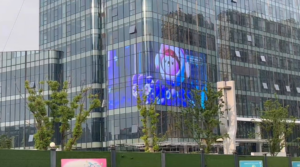
Classify the Deployment Before Comparing Models
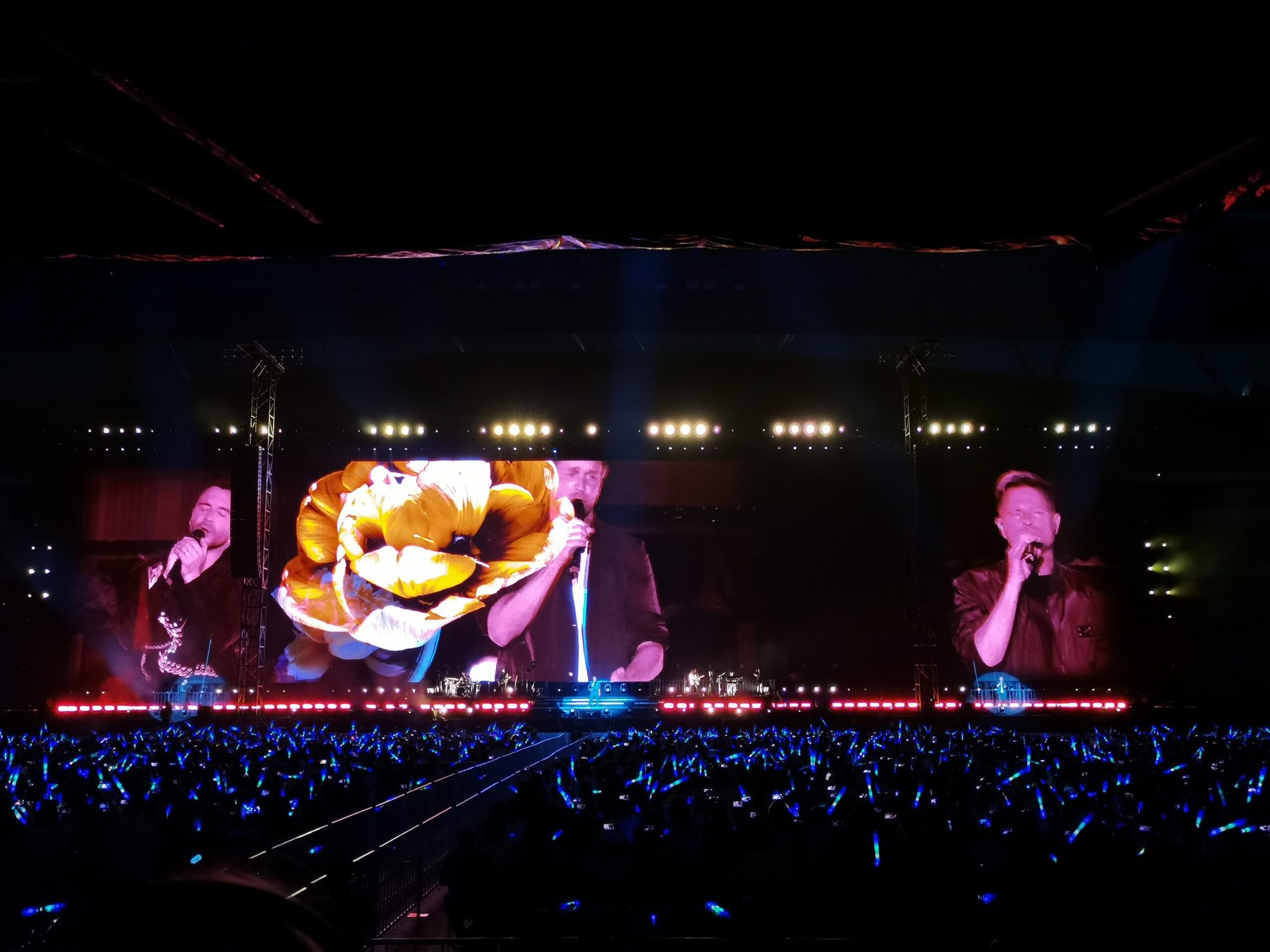
The first division is between fixed and temporary use. A fixed interior can be planned around its wall dimensions, viewing distance, and service route. An outdoor installation adds sunlight and weather. Rental equipment must tolerate transport and repeated assembly. Glass applications may need transparency, while nonstandard forms place geometry ahead of conventional cabinet layouts.
This classification turns a broad product name into an application brief. It also prevents specifications from being compared across incompatible environments. A brightness figure suitable for a controlled room cannot meet an outdoor requirement, and a fixed cabinet may be inconvenient for event crews even if its image performance is acceptable. The buying category should reflect how the equipment will operate.
The duration and repetition of use sharpen the classification further. A one-time temporary event, a rental inventory used every week, and a permanent installation can all occupy the same venue type while creating different handling and service priorities. Defining ownership and reuse expectations keeps a buyer from selecting a temporary or fixed format for the wrong operational reason.
Filter the Options with Core Visual Parameters
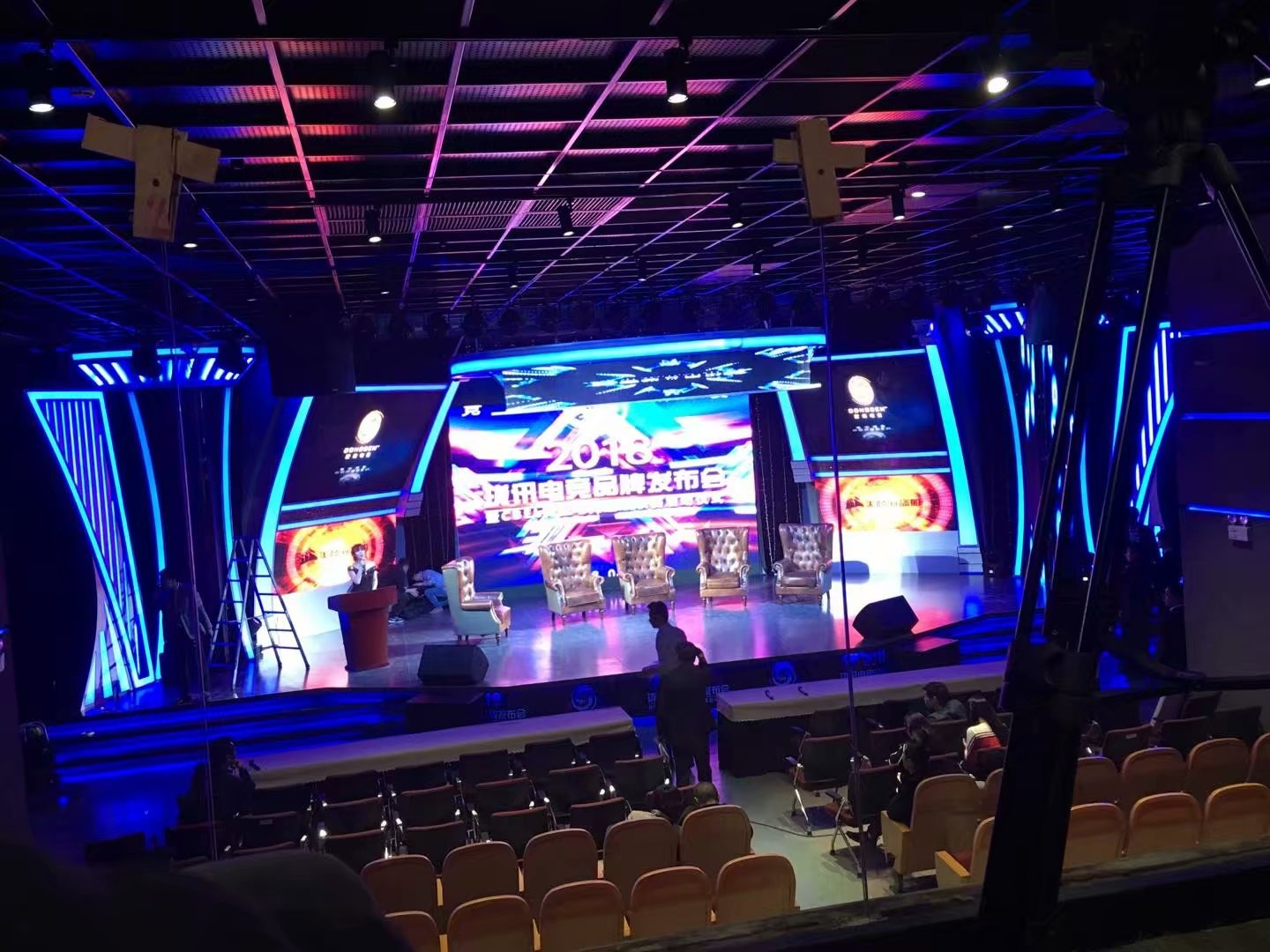
Pixel pitch is most meaningful when linked to viewing distance and content detail. For close indoor applications, a buyer should first define the nearest viewing position, the amount of fine text or imagery in the content, and the available maintenance route before selecting a model. HDC’s indoor range provides fine-pitch and front-service options for these conditions, allowing an LED board display to be evaluated by application fit rather than by repeating a full list of specifications.
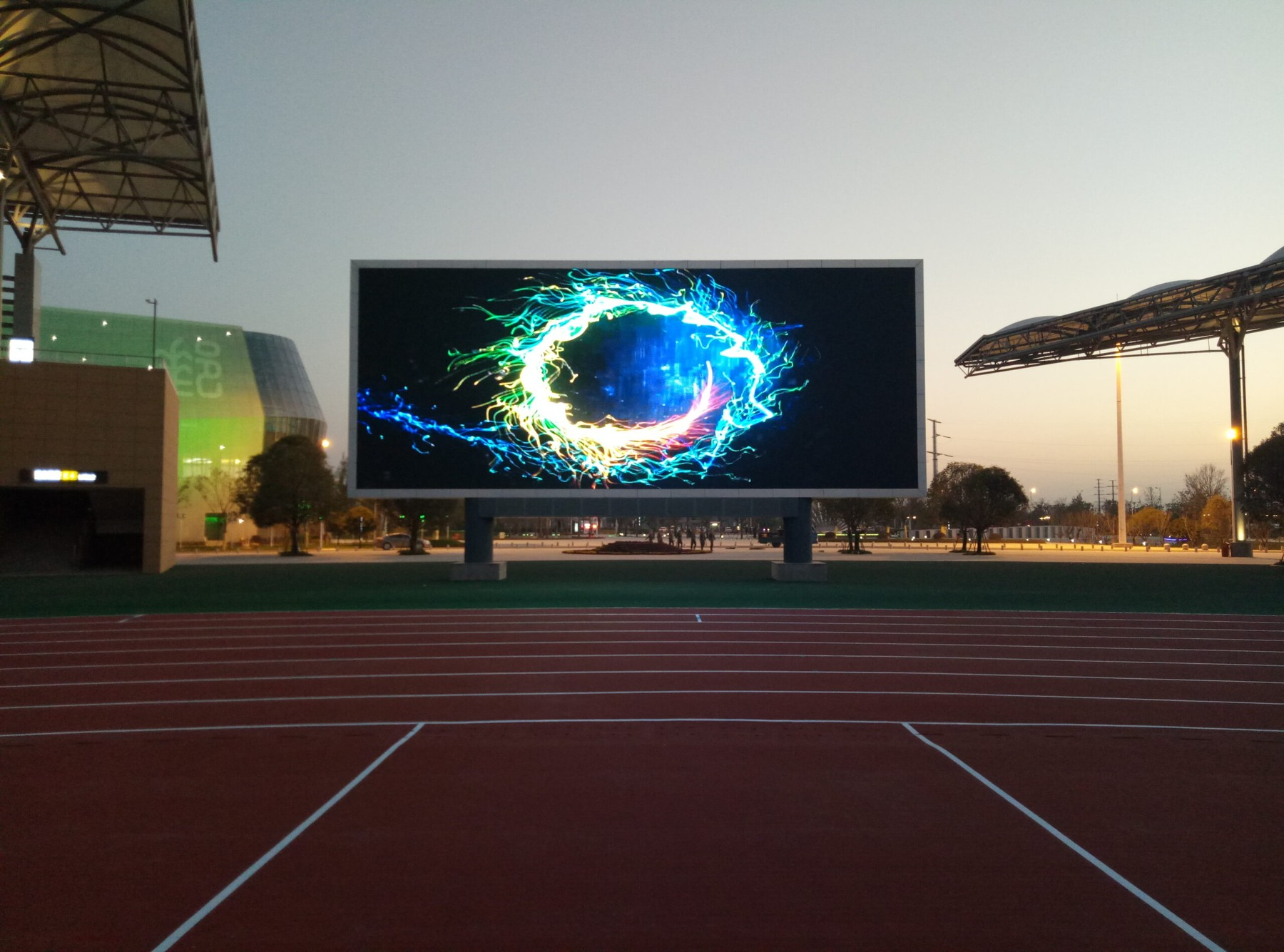
Outdoor projects require a different screening process because daylight, weather exposure, viewing distance, and maintenance conditions must be considered together. HDC offers outdoor display options that help distributors address these requirements without assuming that one brightness or pitch value suits every site. A distributor evaluating an LED board display should therefore record the audience position and environmental conditions first, then confirm whether the proposed LED screen configuration provides the required visibility, protection, and service access.
Refresh rate should likewise be reviewed according to the content and capture environment rather than treated as a general measure of display quality. Pitch addresses viewing detail, brightness responds to surrounding light, and environmental protection addresses exposure, while refresh rate has a different role in image updating and camera-facing applications. Keeping these functions separate helps technical teams compare proposals on the same basis and prevents one impressive figure from masking a weakness elsewhere in the specification.
Match Cabinet Design to Handling and Service
Cabinet format affects screen dimensions, installation workflow, transport, structural coordination, and maintenance. A permanent indoor system may prioritize a clean fit and front access. Temporary production teams need units that can be moved and combined efficiently. Transparent systems must coordinate with glass and preserve the architectural effect expected from the site.
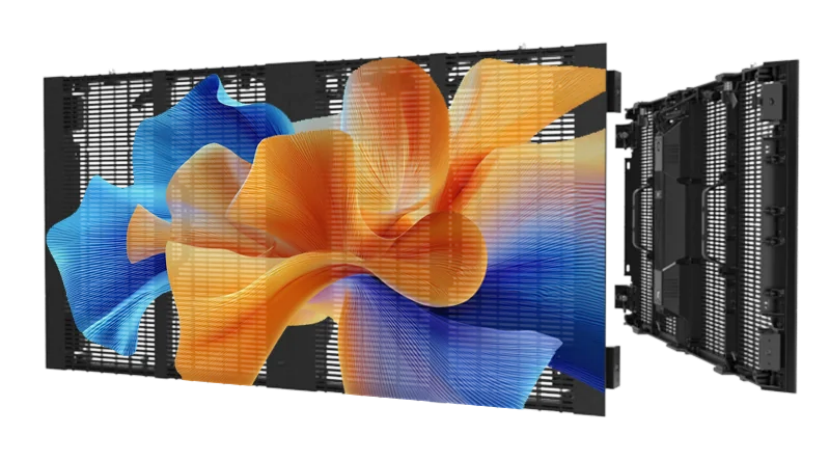
HDC’s Rental X Series supports 500 by 500 mm and 500 by 1000 mm cabinets, indoor and outdoor variants, and 2.6 to 3.9 mm pixel pitches. Its transparent window and curtain-wall products are designed for glass integration with high brightness and high transparency. These categories give an integrator different physical routes for an LED screen project rather than treating every LED board display as a fixed opaque rectangle.
Service direction deserves the same attention as cabinet size. A format that fits the visible opening may still conflict with the space available behind or around it. Recording the maintenance route in the request helps the supplier distinguish a workable physical configuration from one that merely matches the front dimensions.
Recognize When Standard Geometry Is Not Enough
A standard product is efficient when its dimensions, mounting, visual behavior, and service method fit the project. Custom work becomes relevant when the site imposes a genuine limitation that cannot be resolved through the available families. The request should identify the conflict clearly, whether it involves cabinet geometry, an installation surface, a shape, or another defined condition.
HDC supports custom design and OEM and ODM manufacturing. That capability gives system integrators an additional route when standard configurations do not fit, but it should follow rather than replace initial product classification. A custom LED board display still needs a clear application, verifiable dimensions, and agreed performance requirements.
Otherwise, customization can add variation without solving the original problem. The custom request also needs a boundary. Dimensions, mounting conditions, visual targets, and delivery expectations should be separated into required constraints and adjustable preferences. That distinction gives the manufacturer room to propose a buildable response while protecting the conditions that define project success.
Prepare a Request That Produces Comparable Answers
An effective request for quotation identifies the application category, fixed or temporary use, indoor or outdoor environment, viewing distance, content requirement, screen dimensions, cabinet preference, maintenance route, transparency need, and any confirmed custom constraint. Suppliers can then respond to the same technical question instead of making different assumptions.
HDC’s indoor, outdoor, rental, transparent, all in one, and creative portfolio illustrates the categories that may sit behind the broad term LED screen. The purpose of a buyer guide is to expose those differences early. A classified LED board display gives every supplier response the same technical starting point.