Screen size alone is a poor basis for comparing display technologies. A large image may be viewed from a few meters away or across an outdoor plaza, installed permanently or moved between events, placed on an opaque wall or integrated with glass.
Each condition changes the value of brightness, pixel pitch, cabinet format, maintenance access, weather protection, and transparency. Operating constraints provide the comparison framework; product families enter only after those constraints are known for the LED display LED screen.
Compare Viewing Distance Before Resolution Labels
Image detail depends on the relationship between pixel spacing and viewing distance. Close viewers can perceive smaller visual elements and may also notice the physical pixel structure more readily. Farther viewers see the image as a combined surface, so a different pitch can remain suitable.
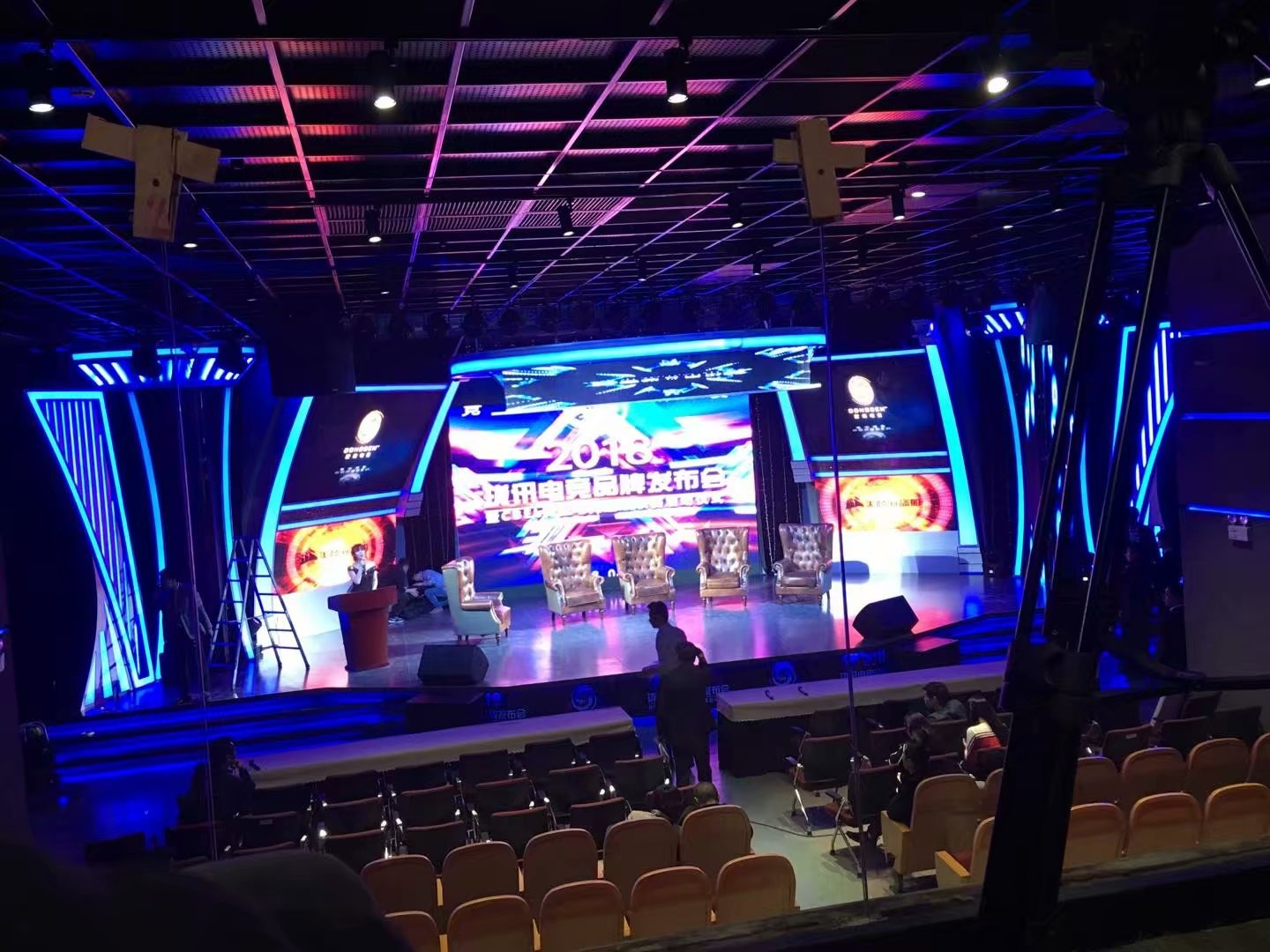
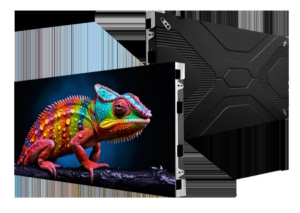
Its value belongs to a viewing geometry and content task, not to a universal quality ranking. HDC’s indoor display range illustrates the close-viewing side of the comparison through fine-pitch options, front-service designs, and configurations developed for control rooms, conference halls, broadcasting studios, and premium retail spaces. The comparison should therefore begin with viewing distance, service access, and content detail rather than repeating the same headline specifications used in other product reviews.
These specifications can suit detailed indoor applications, while an alternative solution may remain reasonable where the required image is smaller, the viewing distance is very short, or modular scale is unnecessary. The application decides whether an LED screen offers a meaningful advantage. The physical size of the intended image adds another boundary.
Modular construction becomes useful as a display must span a larger or less conventional area, but small standard-format installations may not need that flexibility. Comparing the finished dimensions, content layout, and distance together prevents a resolution label from dominating a decision it cannot answer alone.
Separate Indoor Brightness from Outdoor Visibility
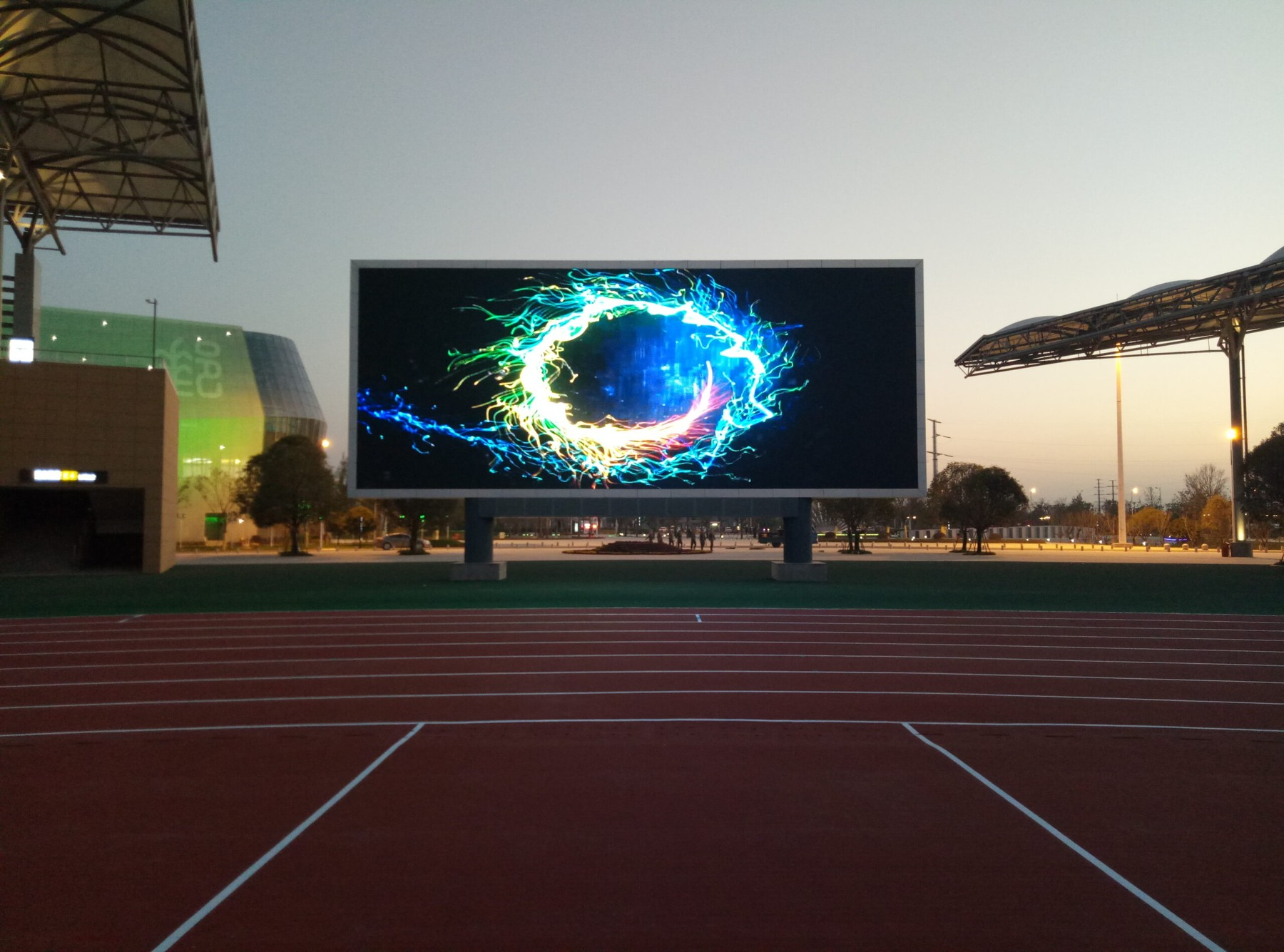
Outdoor comparison starts with the environment rather than a brightness ranking. A controlled interior can use lower brightness than a display facing daylight. Outdoor equipment must also address exposure to dust and water, temperature conditions, and service access.
Comparing two products without separating indoor and outdoor use can produce a result that looks favorable on paper but fails at the site. HDC’s outdoor AluSlim range is designed around high-brightness, weather-protected outdoor operation, so daylight exposure, enclosure protection, service access, and the actual audience distance should be reviewed together rather than reduced to one number.
For an exposed installation, the project team should verify viewing distance against the selected pixel pitch and site geometry instead of treating pitch values as fixed best-viewing distances. A LED display LED screen must be read against daylight, weather, and audience distance together.
Decide Whether the Installation Is Fixed or Reconfigured
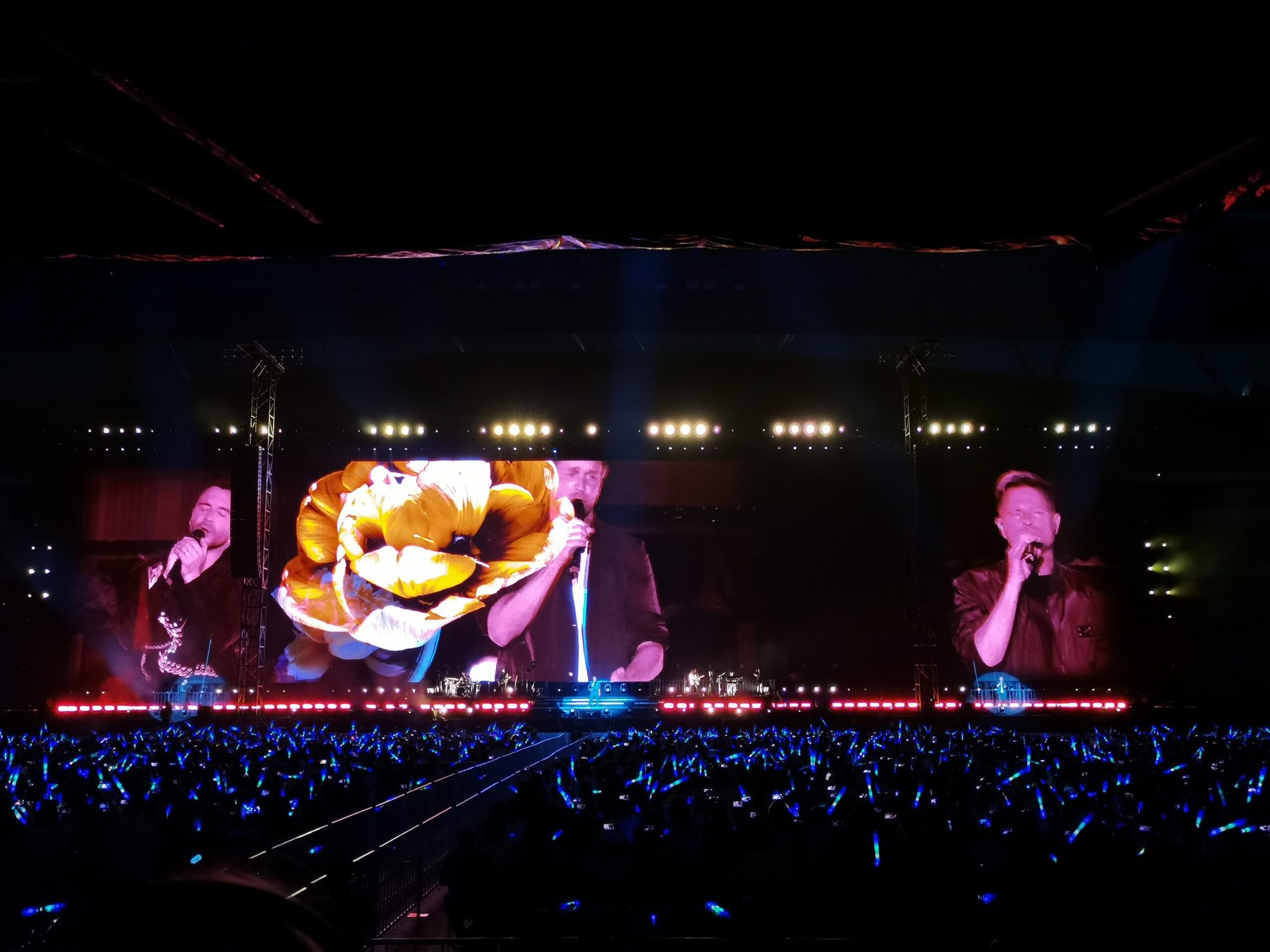
Permanent installations can be designed around a stable wall, structure, and service route. Temporary event equipment faces repeated transport, assembly, dismantling, and changes in shape. Cabinet compatibility and handling speed become central because the display must adapt without being rebuilt as a custom fixed installation for every venue.
HDC’s Rental X Series covers indoor and outdoor use with 2.6 to 3.9 mm pixel pitches, 500 by 500 mm and 500 by 1000 mm cabinets, quick assembly, and multiple arc configurations. Those characteristics create a different operating profile from a fixed display. A LED screen intended for recurring events gains value from reconfiguration, whereas a permanent project may give greater weight to integration with the building and long-term service access.
Treat Transparency and Geometry as Design Criteria
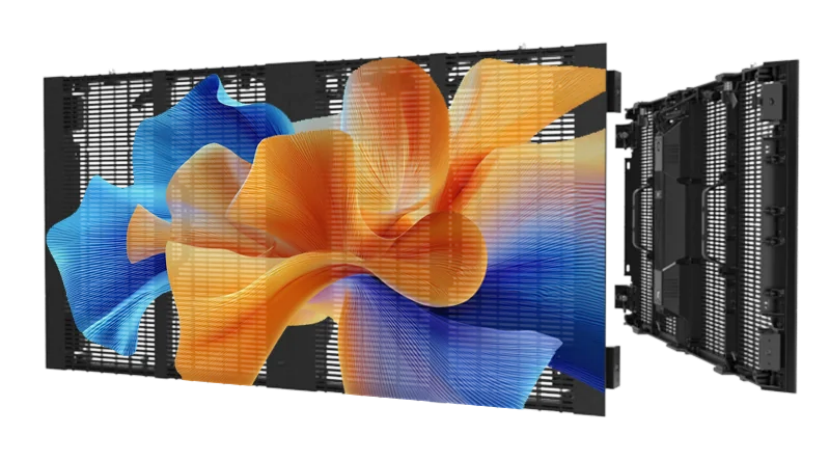
An opaque rectangular surface is not suitable for every location. Shop windows and glass facades may need to retain visibility through the architecture, while curved or unusual forms require a display structure that can follow the intended geometry.
In such settings, the question is not only image quality but how much the display changes the space when content is present or absent. HDC offers transparent products for high-transparency glass integration, adding an option that differs materially from a conventional solid wall. Its product range also includes creative formats.
These categories show why comparison must include transparency, cabinet form, and installation geometry. An alternative display may be preferable where transparency is irrelevant and the format is small; a modular solution becomes more compelling as scale, shape, or glass integration becomes central.
Maintenance remains part of this design comparison. A visually light installation can still create operational difficulty if components cannot be reached after surrounding construction is complete. The preferred technology must therefore satisfy both the architectural idea and the practical route for inspection or repair.
Rule Options In or Out Through Site Constraints
Site constraints can eliminate unsuitable options before secondary preferences are compared. The project defines the viewing range, ambient light, environmental exposure, permanence, service route, transparency requirement, and target geometry. Technologies that cannot meet a fixed condition leave the comparison before secondary preferences are considered.
Supported specifications can then distinguish the remaining options. HDC’s integrated R&D, manufacturing, sales, and service structure also lets nonstandard requirements be reviewed for customization, manufacturability, delivery, and technical support. Site conditions narrow the field; the remaining LED display LED screen earns its place through measurable behavior rather than brand prestige.