Public displays may operate in transportation hubs, commercial plazas, institutional rooms, stadium areas, or other spaces where visibility and continuity affect many people at once. Some of them face daylight, rain, temperature changes, and distant viewing.
Others present detailed information indoors to operators seated close to the display. Access for maintenance may also be restricted because the location remains active. Together, audience, environment, and service access define what a public-project LED screen has to do.
Define the Public Communication Task
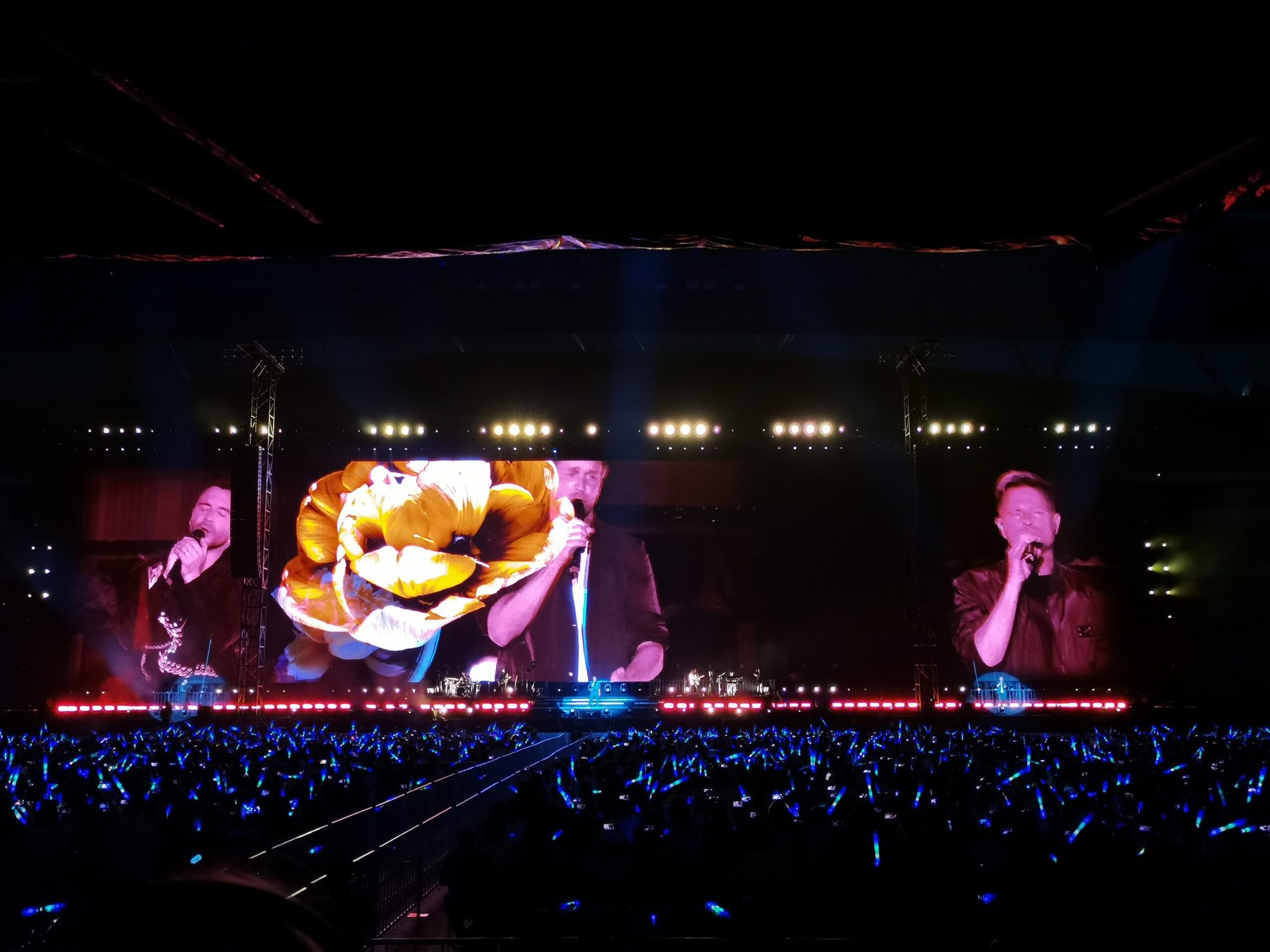
The content and audience establish the basic display requirement. A large outdoor message may need to remain readable from a distance and from different approach angles. A control-room image may contain detailed information viewed for longer periods. Public-event or exhibition content introduces another pattern, with changing audiences and temporary operating conditions. Treating all these uses as one category can obscure the technical differences that matter.
An LED wall should be evaluated in relation to the message, nearest and farthest useful viewing positions, operating schedule, and consequences of interruption. These conditions determine which specifications deserve priority. The same LED screen label can describe systems with very different visual, structural, and maintenance characteristics. Public responsibility also changes the tolerance for ambiguity.
Content may need to remain visible to people approaching from several directions, and an interruption may affect more than a single private user. The planning team therefore needs a shared definition of acceptable visibility and service continuity. Without it, brightness, pitch, and access can be discussed as isolated numbers rather than parts of a public communication function.
Account for Sunlight Weather and Temperature
Outdoor visibility depends partly on whether display brightness can compete with the surrounding light. Weather protection addresses exposure to dust and water, while the operating-temperature range indicates the environmental limits stated for the product. These figures should be read together with site orientation, local conditions, structural design, and the expected viewing distance.
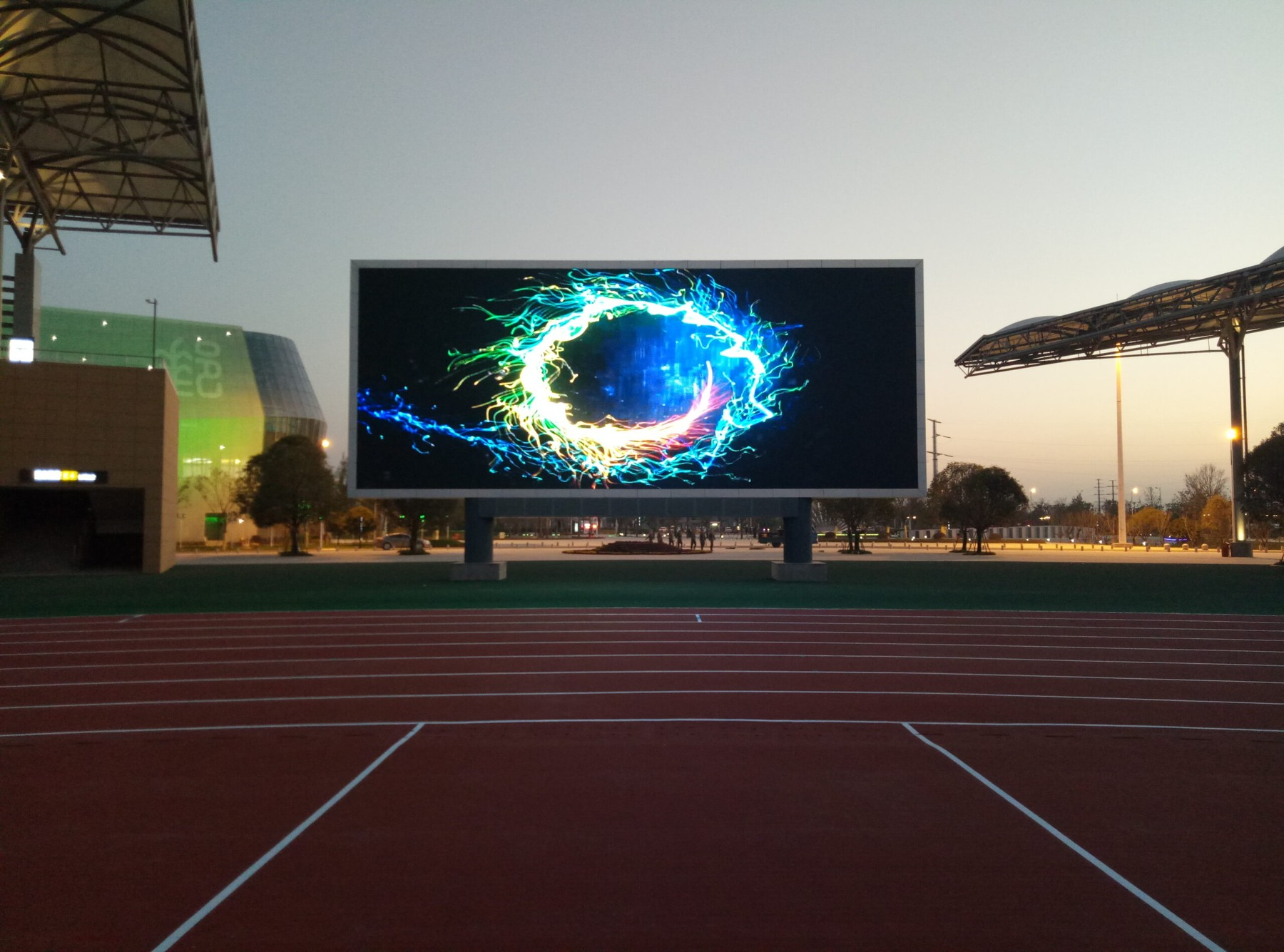
HDC’s outdoor AluSlim range is designed for outdoor advertising, stadiums, commercial plazas, and transportation hubs. Listed P2.5 and P4 models provide brightness of at least 5000 cd/m2, IP65 protection, refresh rates of at least 3840 Hz, and operating temperatures from minus 20 to 50 degrees Celsius.
These specifications show why an LED wall for an exposed public site requires a different evaluation from an indoor LED screen. They provide measurable thresholds that can be compared with the conditions recorded during a site survey. Viewing distance must be considered beside environmental protection.
A weather-rated product is not automatically suitable if its image configuration does not match where the public will stand. Likewise, sufficient brightness does not solve a service-access problem. Combining the site drawing, audience routes, and environmental record gives the project team a more complete basis for interpreting the stated values.
Plan Indoor Institutional Viewing Differently
Close indoor viewing shifts attention toward pixel pitch, image detail, viewing angle, and controlled brightness. Control rooms and conference halls may need viewers to read information from several positions, while a broadcasting studio also places demands on motion presentation.
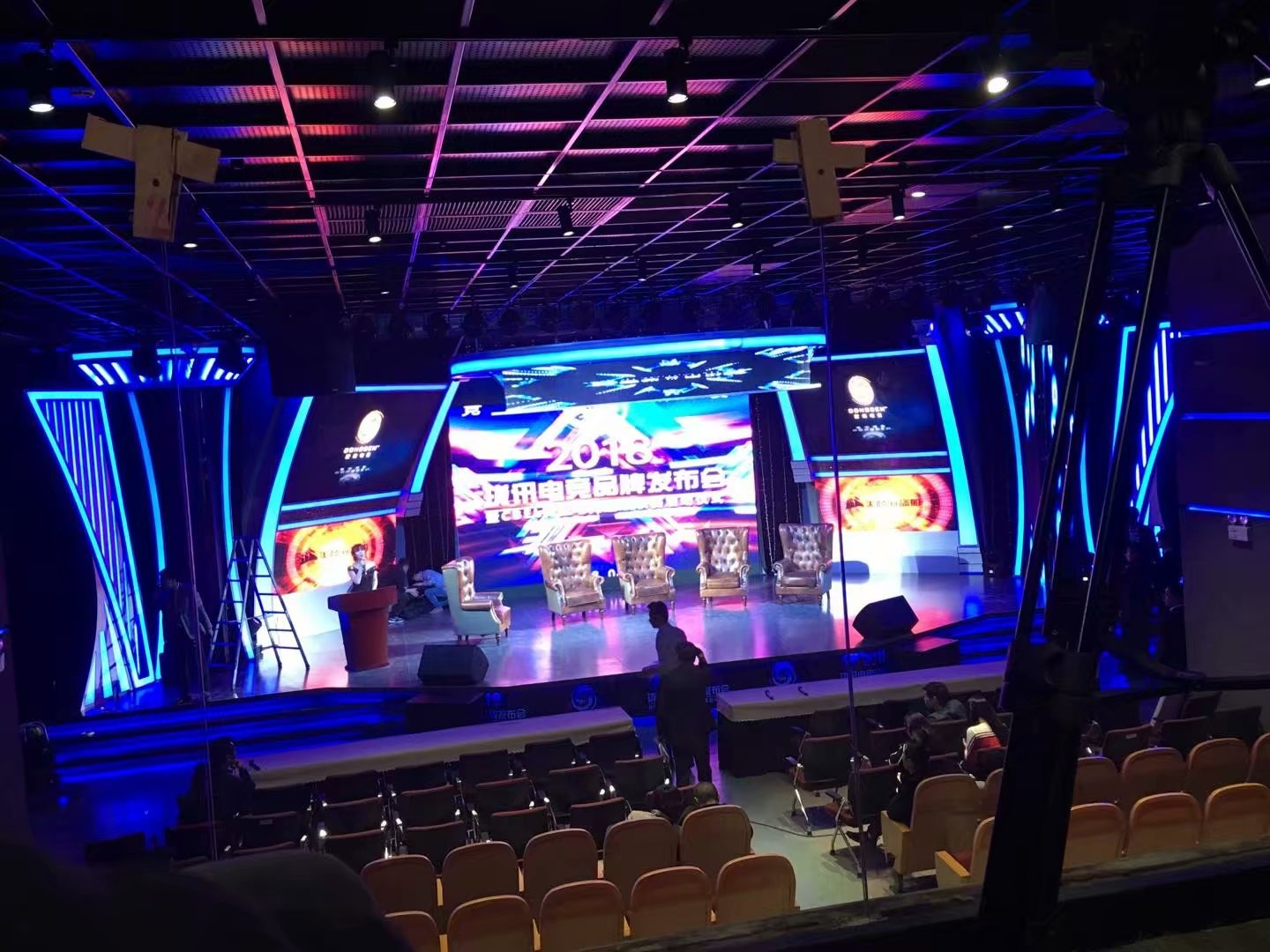
More brightness is not automatically better in a controlled room; the visual output must suit the distance and ambient light. Control rooms, conference halls, broadcast studios, and premium retail environments form the stated application set for HDC’s indoor SMD models. The available pitch range runs from 1.2 to 2.5 mm.
Listed image-performance figures include a 3840 Hz refresh rate and 600 cd/m2 brightness, while the stated sightline coverage is 160 degrees horizontally and 140 degrees vertically. For an institutional LED wall, these values support a different planning logic from the outdoor range. The LED screen decision moves from weather resistance and long-distance visibility toward fine detail and wide indoor sightlines.
Protect Service Access and Operating Continuity
Maintenance planning begins before installation. Public facilities may have controlled access, limited rear space, fixed operating hours, or physical barriers around the display. If a module or component cannot be reached efficiently, a minor service task can create a larger interruption. The mounting method and service route therefore belong in the technical brief alongside brightness and pitch.
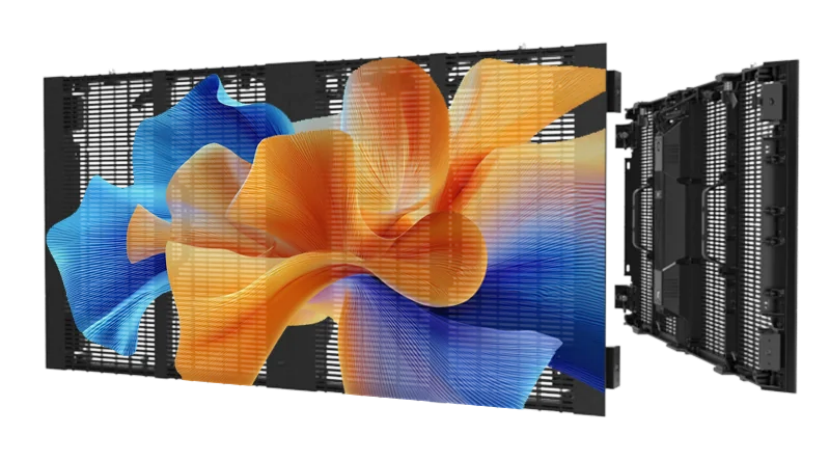
Because service work is performed from the front, HDC’s indoor SMD line can suit sites that do not provide rear access. The company also lists exhibitions, DOOH advertising, and building-facade projects among its application areas, showing the range of access and operating contexts that public-display planning may encounter.
A suitable LED wall must combine the visual requirement with a realistic maintenance method rather than leave service questions until commissioning. A sound public-display decision starts with the site, not a generic product category. Public owners and integrators can record audience distance, sunlight exposure, weather protection, temperature, viewing angles, service access, and expected operation, then compare those facts with supported specifications.
HDC offers outdoor and indoor ranges that illustrate how different conditions lead to different technical answers, but the comparison also depends on how those answers are produced and supported. HDC integrates R&D, manufacturing, sales, and service, allowing public-project requirements to move from engineering review into production, delivery, installation support, and technical service within one operating chain. At a public site, brightness, protection, sightlines, and service access therefore remain parts of the same LED screen operating requirement.